

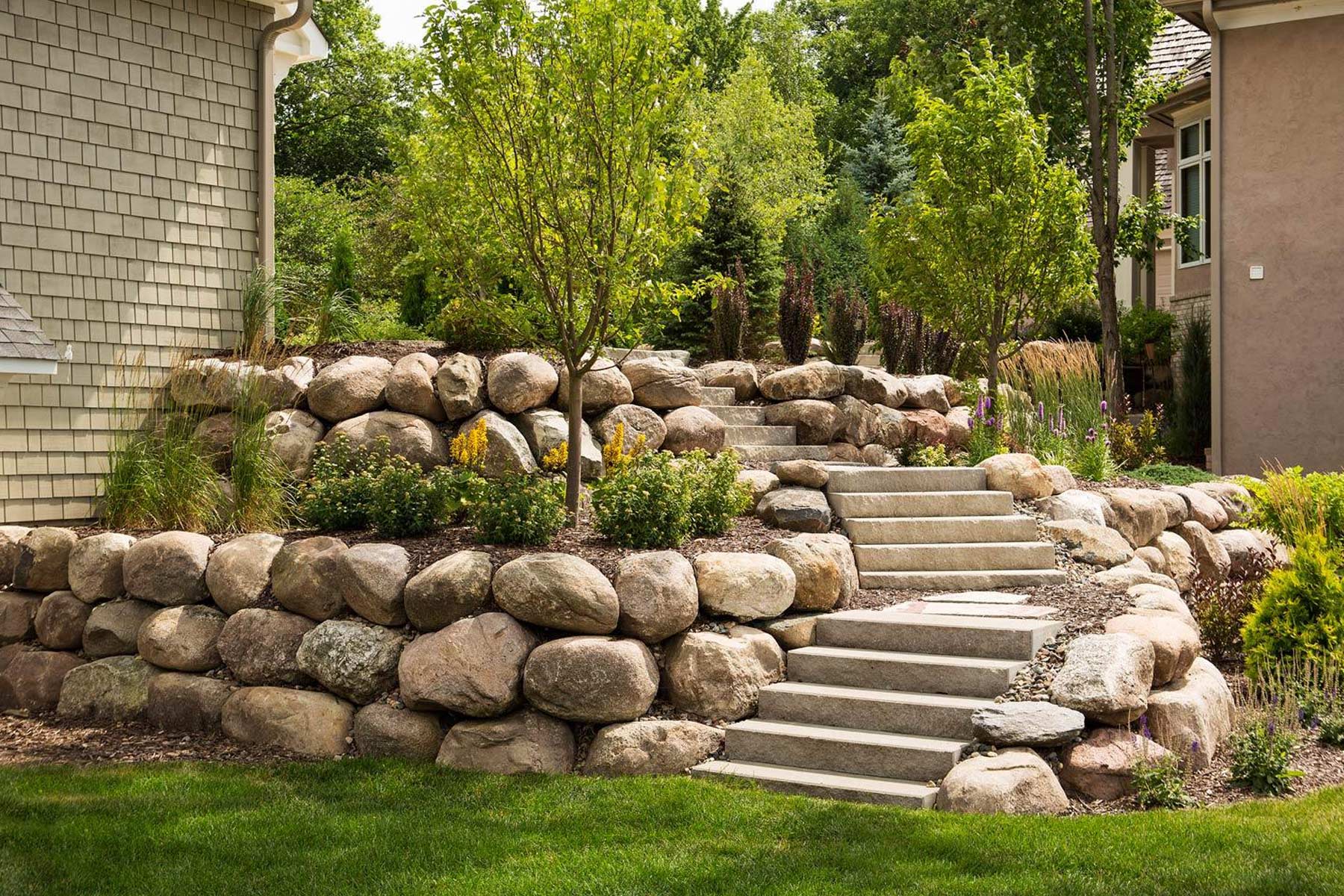
If you’ve ever admired a beautifully tiered garden or a sloped yard that looks effortlessly stable, chances are you’ve seen the work of a well-built rock retaining wall. These walls do far more than hold back soil — they shape landscapes, define spaces, and enhance the overall appeal of your property. But the real question is: why should you invest in a high-quality rock retaining wall instead of choosing cheaper or artificial options?
Let’s discuss the reasons why quality matters, how rock retaining walls benefit your property, and what makes them a long-term investment worth every penny.
Understanding the Purpose of a Rock Retaining Wall
At its core, a retaining wall serves one essential purpose: to support soil and prevent erosion on sloped or uneven land. However, a rock retaining wall takes this concept several steps further. Unlike poured concrete or timber walls, natural rock walls combine functionality with visual appeal.
These walls are not just barriers—they’re architectural features that create terraces, highlight garden spaces, and even provide seating or pathways in outdoor designs. A high-quality rock retaining wall blends seamlessly with the landscape, making your property look both stable and beautiful.
Why Quality Matters in Rock Retaining Walls
You might wonder, “A wall is a wall, right?” Not quite. The difference between an average and a high-quality rock retaining wall becomes clear over time. Cheap or poorly built walls often develop cracks, bulges, or drainage failures within a few years. A properly constructed rock wall, on the other hand, can last for decades or even generations with minimal maintenance.
Here’s why quality makes a difference:
- Durability: High-grade rocks and expert craftsmanship prevent shifting or collapsing.
- Drainage: Proper drainage systems reduce hydrostatic pressure, extending the wall’s lifespan.
- Aesthetics: Professionally chosen stones enhance natural beauty, matching your home’s design.
- Safety: A strong wall ensures stability in heavy rains or soil movement.
Investing in quality isn’t just about appearance—it’s about peace of mind and long-term savings.
Types of Rock Used in Retaining Walls
Different stones bring different advantages. Choosing the right material can determine not only how your wall performs but also how it complements your property.
1. Granite
Known for its incredible strength and resistance to weather, granite is a premium choice. Its crystalline texture and natural hues make it perfect for both rustic and modern designs.
2. Limestone
Limestone offers a softer, more uniform look. It’s easy to shape, making it ideal for clean, geometric walls that fit traditional or cottage-style homes.
3. Sandstone
Sandstone comes in warm, earthy tones that blend beautifully with gardens. It’s slightly more porous but offers a natural charm unmatched by artificial materials.
4. Fieldstone
Fieldstone walls look organic and timeless, often built with irregularly shaped rocks collected from the surrounding landscape. They’re ideal for countryside or rustic settings.
5. Basalt
Dark, sleek, and extremely dense, basalt is a favorite for modern, minimalist landscapes. It provides a striking visual contrast against greenery and light-colored structures.
When selecting stone, consider not just the color or texture but also how it weathers, its strength, and its compatibility with your local environment.
Structural Benefits of Rock Retaining Walls
Let’s discuss how a high-quality rock retaining wall contributes to your property’s stability and function beyond just aesthetics.
1. Erosion Control
Rain and runoff can easily wash away soil on slopes. A rock retaining wall acts as a shield, keeping soil in place and preventing landslides or washouts.
2. Improved Drainage
Well-built rock walls naturally allow water to pass through or around them, reducing water buildup and the pressure that damages weaker walls.
3. Slope Management
If your property has uneven terrain, retaining walls let you carve flat spaces for gardens, patios, or walkways. It transforms unusable land into functional outdoor living areas.
4. Foundation Protection
For properties on hilly ground, rock retaining walls can protect your home’s foundation by diverting water flow and stabilizing the surrounding soil.
Aesthetic and Design Advantages
Functionality aside, the aesthetic value of a rock retaining wall is what truly elevates your landscape. These walls bring texture, depth, and natural beauty that no synthetic material can replicate.
Natural Harmony with the Landscape
Rock walls blend effortlessly with plants, trees, and pathways. Their organic tones and rugged textures mirror nature’s patterns, creating a cohesive, grounded look.
Customizable Appearance
You can choose between rough, rustic finishes or clean, cut-stone designs. Whether you prefer the look of an old countryside wall or a sleek modern edge, the versatility of stone allows full customization.
Adds Depth and Dimension
Retaining walls introduce multi-level designs that make your yard look more dynamic. Imagine flower beds on terraces, steps leading up to garden areas, or accent lighting that highlights stone textures at night.
Longevity: Built to Last for Generations
When built correctly, rock retaining walls can last 50 to 100 years or more. Their strength lies in nature itself. Unlike wood, they don’t rot; unlike concrete, they don’t crack easily due to temperature fluctuations.
Think of it as a one-time investment that provides lifetime value. You’re not just paying for a wall—you’re paying for a structure that requires minimal maintenance, endures harsh weather, and enhances property value over time.
Environmental Benefits
Another reason to invest in rock retaining walls is sustainability. Stone is a natural, eco-friendly material that doesn’t emit harmful chemicals or require manufacturing energy like concrete.
- Recyclable and reusable: Old stones can be repurposed for new walls.
- Locally sourced materials: Many builders use nearby quarries, reducing transportation emissions.
- Natural drainage: Rock walls promote healthy water flow into the soil instead of blocking it.
Choosing stone means choosing durability and environmental responsibility.
How Rock Retaining Walls Enhance Property Value
Curb appeal plays a huge role in real estate value, and retaining walls add immediate visual impact. A well-built stone wall signals quality craftsmanship and thoughtful design, making your property more attractive to potential buyers.
Here’s how it adds measurable value:
- Increased usability of land – Terraces and level spaces boost functionality.
- Improved landscaping – Stone walls serve as focal points or borders.
- Enhanced durability – Long-lasting structures reduce future repair costs.
In real estate terms, rock retaining walls often have one of the highest returns on investment among outdoor projects because they combine beauty and practicality.
Maintenance: Minimal Effort, Maximum Reward
High-quality rock walls require little upkeep compared to other materials. Routine checks for loose stones or soil settlement are usually enough. Occasional cleaning with a brush or pressure washer keeps them looking fresh.
Because of their natural drainage capabilities and structural integrity, rock walls rarely need major repairs. If a stone shifts over time, it can often be reset without rebuilding the entire structure.
Common Mistakes to Avoid
Even the best materials can fail if the construction is poor. Here are some mistakes to avoid when building a rock retaining wall:
- Ignoring drainage: Without proper water flow, walls can bulge or collapse.
- Poor base preparation: A weak or uneven foundation compromises stability.
- Using mismatched stones: Stones of varying strength can lead to uneven settling.
- Neglecting reinforcement: For tall walls, geogrids or tiebacks might be necessary.
Hiring experienced professionals ensures that your investment performs as beautifully as it looks.
Professional vs. DIY: Which Is Right for You?
Building a small garden wall? A DIY project may be manageable with proper research and the right tools. But for larger or load-bearing walls, professional installation is essential.
Professionals offer:
- Soil analysis and slope assessment
- Engineering-grade stability
- Proper drainage design
- Aesthetic customization
The cost of professional work might seem higher upfront, but it saves you from potential repair expenses and safety risks later on.
Many property owners in the Pacific Northwest trust Rainier Rockeries for top-tier retaining walls in Seattle, WA, thanks to their craftsmanship and attention to detail. Their team has earned a reputation for transforming uneven landscapes into beautifully structured, lasting outdoor spaces.
Cost vs. Value: The Smart Investment Perspective
While natural stone walls can be more expensive initially than timber or concrete block alternatives, they offer greater value in the long run. The combination of longevity, aesthetics, and minimal maintenance makes them a smart investment.
Think of it like this — you could spend less now and rebuild in 10 years, or invest once and enjoy your wall for a lifetime. High-quality craftsmanship pays off by preserving both beauty and stability over decades.
Final Thoughts
A high-quality rock retaining wall is more than just a structure—it’s a statement. It speaks to the homeowner’s commitment to durability, design, and harmony with nature. When done right, it doesn’t just hold back soil; it shapes your landscape, enhances property value, and endures through generations.
So, if you’re considering upgrading your landscape, ask yourself: do you want something temporary or something timeless? Investing in a professionally built rock retaining wall ensures that your property remains as strong and stunning tomorrow as it is today.
Your outdoor space deserves nothing less than a foundation built by nature—and strengthened by craftsmanship.