

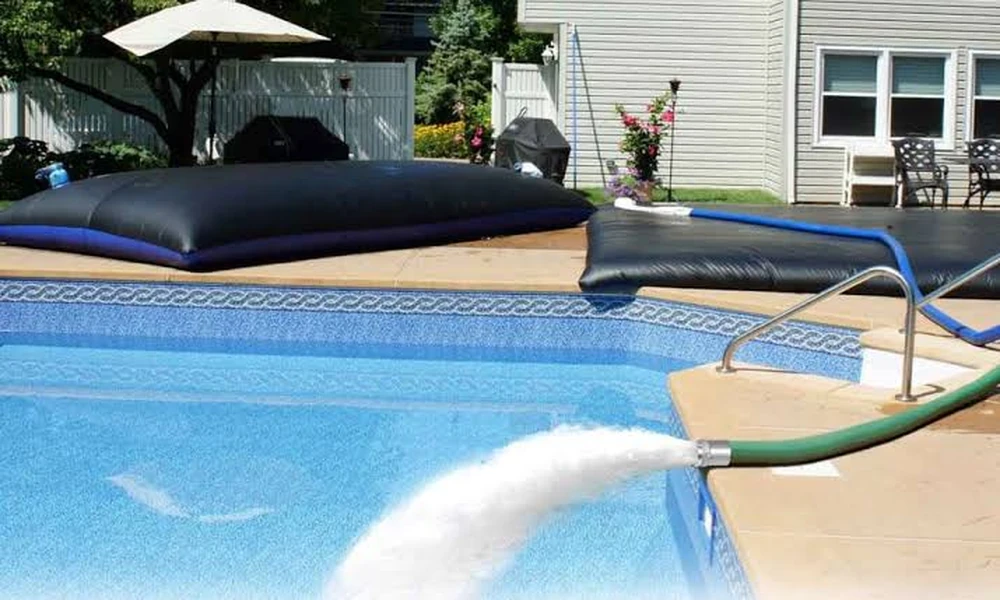
An old swimming pool can take up a significant portion of a backyard, especially when it is no longer used regularly. Over time, maintenance costs, repairs, water consumption, and limited outdoor flexibility may lead homeowners to consider removing it. For Moraga homeowners, reclaiming this space can create opportunities for a more practical and enjoyable backyard.
A well-planned Moraga pool removal project is about more than breaking up concrete and filling a hole. Homeowners need to think about demolition methods, access, drainage, soil preparation, and how the property will be used afterward. Planning these details early can make the transition from an aging pool to a functional outdoor area much smoother.
Why Homeowners Decide to Remove an Old Pool
Swimming pools can be valuable lifestyle features, but they also require ongoing attention. Pumps, filtration equipment, surfaces, plumbing, and surrounding decking may eventually need repair or replacement. When the cost and effort of maintaining the pool outweigh its benefits, removal becomes a practical alternative.
Families may also discover that their needs have changed. A backyard once centered around swimming could be more useful as a lawn, garden, patio, children’s play area, or flexible entertaining space.
For homeowners considering pool removal in Moraga, the potential to redesign the entire yard is often one of the biggest advantages. Removing the pool provides a blank canvas that can be adapted to the household’s current priorities.
Understanding the Pool Demolition Process
Professional pool demolition generally begins with an assessment of the existing pool and surrounding property. Contractors need to consider the pool’s construction, size, accessibility, nearby structures, utilities, and the intended use of the area after removal.
The pool is typically drained before demolition equipment is brought onto the property. Depending on the chosen removal method, portions or all of the pool structure may then be demolished and removed. Appropriate fill materials are placed into the excavated area and compacted according to the project’s requirements.
Careful planning during Moraga pool demolition is particularly important because the condition of the finished ground can affect future landscaping and construction possibilities. The goal should not simply be to eliminate the pool but to leave the property prepared for its next purpose.
Partial Versus Complete Swimming Pool Removal
One important decision involves choosing between partial and complete swimming pool removal. With partial removal, sections of the pool structure are demolished while some material may remain below grade, depending on applicable requirements and the project plan. The remaining area is then filled and compacted.
Complete removal generally involves demolishing and removing the pool shell and related materials from the excavation before the area is filled.
Each approach can have different implications for cost, project duration, future construction, permitting, and property documentation. Homeowners should discuss their long-term plans with qualified professionals before selecting a method.
Preparing the Backyard for What Comes Next
Thinking about the finished backyard before demolition begins can improve the overall project. A homeowner who wants a simple lawn may have different site-preparation requirements from someone planning a new patio, garden, outdoor kitchen, or other improvement.
Proper grading is especially important. Water should move appropriately across the property rather than collecting where the pool once stood. Soil placement and compaction also deserve attention because poorly prepared fill can contribute to settlement over time.
Professional pool removal services in Moraga should therefore consider both demolition and the condition of the site afterward. The quality of the preparation can influence how easily the next phase of landscaping or outdoor construction proceeds.
Access and Site Conditions Matter
Every property presents different logistical challenges. Demolition equipment needs a safe route into and out of the backyard, while contractors must also account for fences, landscaping, retaining walls, neighboring properties, and existing structures.
Limited access may influence equipment selection and project scheduling. Homeowners should identify valuable landscaping or outdoor features they want protected before work begins.
Experienced pool removal services can evaluate these conditions during the planning stage and determine an appropriate approach for completing the work while managing disruption to surrounding areas.
Creating a More Flexible Outdoor Space
Once an unused pool is gone, homeowners can rethink the backyard without designing everything around the existing pool footprint. The reclaimed area might become an open lawn surrounded by landscaping, a spacious patio for outdoor dining, a garden, or a combination of several features.
This flexibility is one reason homeowners throughout the region explore Bay Area pool removal when older pools no longer match their lifestyles. Instead of continuing to maintain a feature that receives little use, the property can be adapted to provide everyday value differently.
Planning Your Moraga Pool Removal Project
Successful pool removal begins with understanding the property, choosing an appropriate demolition method, and considering how the reclaimed space will ultimately be used. Homeowners should also discuss permitting, debris removal, fill materials, compaction, grading, access, and final site preparation before work begins.
For homeowners evaluating a backyard transformation, Moraga pool removal services from Bay Area Pool Demolition provide a starting point for learning about the demolition and removal process.
With careful planning, removing an aging swimming pool can do more than eliminate an unwanted feature. It can transform an underused portion of the property into flexible outdoor space ready for a new purpose.
Frequently Asked Questions
What happens to the space after a swimming pool is removed?
The former pool area is typically filled and compacted as part of the removal process. Depending on site preparation and plans, homeowners may later use the area for landscaping, lawn, patios, gardens, or other outdoor improvements.
How long does pool removal usually take?
Project duration varies according to pool size, construction, demolition method, equipment access, permitting requirements, debris removal, and site conditions.
What is the difference between partial and complete pool removal?
Partial removal generally leaves portions of the pool structure below grade, while complete removal involves removing substantially more or all of the pool structure. Requirements and future-use implications should be reviewed before choosing an approach.
Should I plan my new backyard before removing the pool?
Yes. Knowing whether the area will become lawn, landscaping, a patio, or another improvement can help guide decisions involving grading, fill, compaction, and final site preparation.
Why is proper compaction important after pool demolition?
Proper placement and compaction of fill material can help create a more stable finished area and reduce the potential for unwanted settlement.