

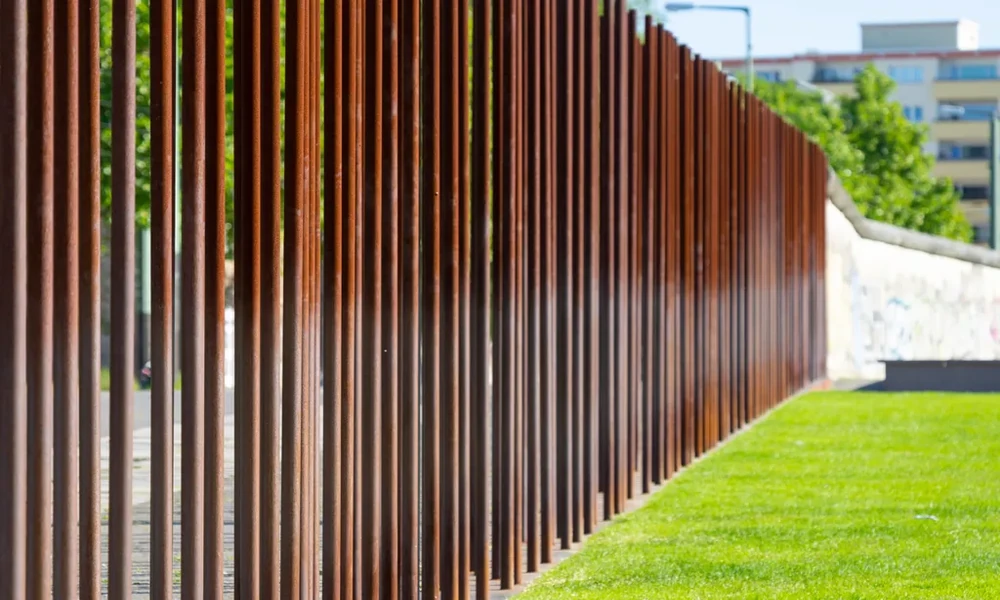
A yard’s shape often reads through its edges first. A crooked fence can make a tidy lawn look neglected. Seasoned gate contractors cypress homeowners rely on treat edges as design. Straight runs and matched heights let landscaping feel deliberate. Layout, post depth, slopes, gates, and materials shape that outcome.
Precise Layout Sets Every Straight Run
Before any digging, installers locate property pins and utility marks. Taut string lines then connect corner points. Even a two-inch drift becomes obvious over 100 feet. Laser levels and batter boards catch errors early. Correcting a line on paper costs nothing. Correcting cured concrete costs days.
Why Does Post Depth Matter So Much?
Posts act as the skeleton of the fence. When one shifts, the whole run bends visibly. Professionals follow a few firm rules:
- Holes reach one-third of each upright’s height.
- Concrete gets crowned to shed rainwater away.
- Gravel at the base helps drainage below.
- Spacing stays fixed, typically eight feet apart.
Sloped Yards Demand Stepping or Racking
Even gentle drainage slopes affect how panels sit. Panels can step down in level tiers. Alternatively, racked sections follow the ground’s angle. Stepping keeps tops even but leaves triangular gaps below. Racking closes those gaps, yet the top rail tilts. Skilled gate contractors cypress crews match technique to each lot.
Can Gates Break an Otherwise Clean Line?
Absolutely, when hung poorly. A sagging gate draws attention immediately. Installers prevent that with heavier hardware:
- Hinge-side posts sit deeper than others.
- Diagonal braces resist gravity’s pull.
- Hinges get rated for panel weight.
- Latches align at identical heights.
Material Choice Shapes Visual Crispness
Cedar boards shrink and twist slightly as moisture leaves them. Ornamental aluminum holds its geometry for decades. Vinyl offers sharp edges but expands in Gulf Coast heat. Pros leave expansion gaps in rails for that reason. Wood, by contrast, benefits from boards sorted by straightness before nailing.
Consistent Gaps and Caps Finish the Look
Small spacing choices decide whether a fence looks crisp. Installers cut a spacer block so every picket gap matches. Screws land in straight rows across each rail. Boards stop two inches above soil to stay dry. Finally, a continuous cap board hides minor height variations.
What Does a Straight Fence Reveal?
Fences seldom remain a yard’s only straight feature. Garden beds, mowing strips, and paver edges follow it later. That two-inch drift across 100 feet then repeats elsewhere. A precise fence becomes the yard’s working baseline. Any future border inherits its accuracy or its error.
FAQs
How long does professional fence installation take?
Most residential projects finish in two to four days. Concrete needs another day or two to cure before gates carry weight.
Do property lines need surveying first?
A recent survey prevents disputes and misplaced posts. Many builders request one before quoting a final layout.
Which fence material stays straightest over time?
Aluminum and steel hold alignment best across seasons. Pressure-treated pine moves the most as it dries.
Can an existing crooked fence be straightened?
Leaning posts can often be reset in fresh concrete. Warped panels, though, need replacing to restore clean lines.