

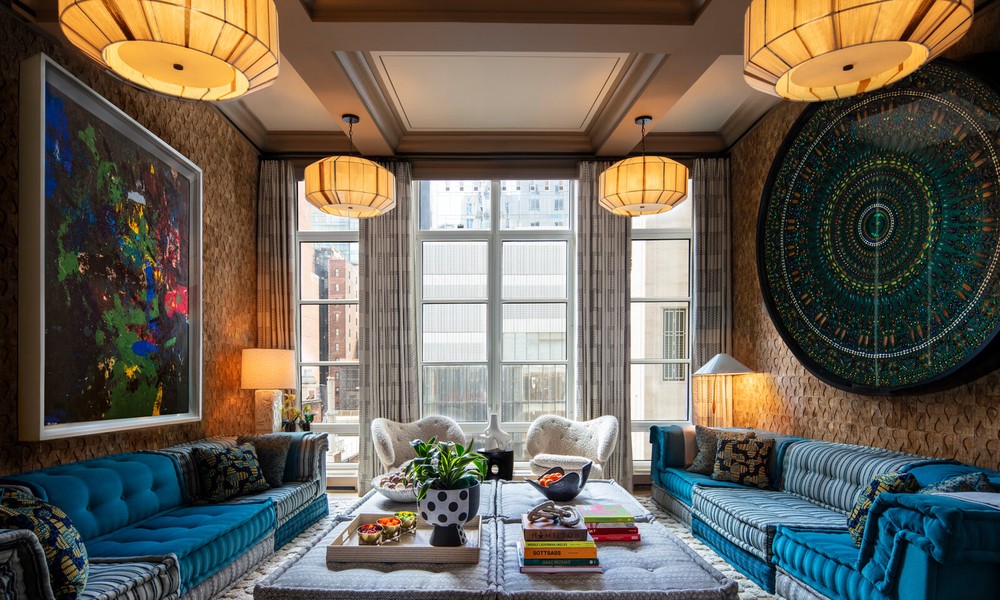
Lighting is one of the most powerful design tools in any home, yet it’s often treated as an afterthought. If you’ve ever walked into a house that just felt right-warm, inviting, and visually balanced-chances are it had a well-designed layered lighting plan. For homeowners looking to elevate their space, understanding how to combine ambient, task, and accent lighting is the key to achieving that high-end, custom look.
Whether you live in Alamo Heights, Stone Oak, Helotes, or near the Pearl District, the right lighting design can completely transform your San Antonio, Texas home. And while some upgrades may seem DIY-friendly, others require the expertise of Residential Electricians In San Antonio, TX to ensure safety, code compliance, and long-term performance.
Let’s break down how to create a layered lighting plan that works beautifully in any space.
What Is Layered Lighting?
Layered lighting is the strategic use of multiple light sources in a single space to create depth, functionality, and visual interest. Instead of relying on one overhead fixture, you combine different types of lighting to serve different purposes.
The three core layers are:
- Ambient lighting (general illumination)
- Task lighting (focused functionality)
- Accent lighting (visual enhancement)
When these are properly balanced, your home feels more comfortable, more usable, and more luxurious.
Ambient Lighting: The Foundation of Every Room
Ambient lighting is your base layer. It provides overall illumination and ensures that a room is safely and comfortably lit.
Common Ambient Lighting Options:
- Recessed lighting (a popular choice in modern San Antonio, Texas homes)
- Flush mount or semi-flush ceiling fixtures
- Chandeliers in entryways or dining rooms
- LED panel lights for a clean, contemporary look
In neighborhoods like Terrell Hills or Dominion, homeowners often choose a mix of recessed lighting and statement fixtures to maintain both elegance and practicality.
Pro Tip:
Avoid relying on a single central fixture. Even ambient lighting should be evenly distributed across the room to eliminate dark corners and shadows.
Task Lighting: Function Meets Precision
Task lighting is all about functionality. It provides focused light where you need it most, helping you perform specific activities like cooking, reading, grooming, or working.
Common Task Lighting Applications:
- Under-cabinet lighting in kitchens
- Pendant lights over kitchen islands
- Desk lamps in home offices
- Vanity lights in bathrooms
In fast-growing areas like Stone Oak and Cibolo Canyon, where many homes feature open-concept kitchens, task lighting plays a critical role in both aesthetics and usability.
Pro Tip:
Layer task lighting at different heights. For example, combine under-cabinet lighting with pendant lights to eliminate shadows and create a more dynamic space.
Accent Lighting: The Designer Touch
Accent lighting is what gives your home personality. It highlights architectural features, artwork, and design elements that deserve attention.
Popular Accent Lighting Ideas:
- Wall sconces for hallways or living rooms
- LED strip lighting for shelves or crown molding
- Landscape lighting to showcase your exterior
- Picture lights for artwork
Homes near historic areas like King William or Monte Vista often use accent lighting to emphasize unique architectural details, such as archways, textured walls, or custom built-ins.
Pro Tip:
Accent lighting should be about three times brighter than the surrounding ambient light to effectively draw attention.
How Layering Creates a High-End Look
When you combine all three lighting layers, something interesting happens: your home starts to feel professionally designed.
Instead of flat, one-dimensional lighting, you get:
- Depth and contrast
- Better control over mood and ambiance
- Increased functionality in every room
- A polished, upscale appearance
Think of a luxury home in areas like The Rim or La Cantera-these spaces rarely rely on a single light source. Instead, they use layered lighting to create an experience.
Room-by-Room Lighting Strategy
Living Room
- Ambient: Recessed lighting or a central fixture
- Task: Floor lamps or reading lights
- Accent: Wall sconces or LED strips behind a TV
Kitchen
- Ambient: Ceiling lights or recessed fixtures
- Task: Under-cabinet lighting and island pendants
- Accent: Toe-kick lighting or cabinet uplighting
Bedroom
- Ambient: Soft overhead lighting
- Task: Bedside lamps or reading sconces
- Accent: Cove lighting or decorative fixtures
Bathroom
- Ambient: Ceiling-mounted lights
- Task: Vanity lighting around mirrors
- Accent: Backlit mirrors or niche lighting in showers
Outdoor Spaces
In San Antonio, Texas, outdoor living is huge. Whether you’re in Alamo Ranch or near Boerne, exterior lighting matters.
- Ambient: Flood or wall-mounted lights
- Task: Pathway and step lighting
- Accent: Landscape lighting for trees, patios, and pools
Can You DIY a Layered Lighting Plan?
This is where things get real.
If you’re a handy homeowner, there are definitely some lighting upgrades you can handle:
- Swapping out fixtures
- Installing plug-in lamps
- Adding battery-powered or low-voltage LED strips
However, once you get into anything involving:
- New wiring
- Panel upgrades
- Recessed lighting installation
- Smart lighting systems
- Outdoor electrical work
…it’s no longer a casual DIY project.
Why It Matters
Electrical work in Texas must meet strict safety codes. Improper installations can lead to:
- Fire hazards
- Electrical shock risks
- Failed inspections
- Expensive repairs down the line
That’s why many homeowners turn to Residential Electricians In San Antonio, TX for anything beyond basic fixture swaps.
When to Call a Professional
You should strongly consider hiring Residential Electricians In San Antonio, TX if your project involves:
- Running new circuits
- Installing recessed or can lighting
- Upgrading your electrical panel
- Integrating smart home lighting systems
- Designing whole-home lighting plans
Professionals not only ensure safety-they also help with placement, load balancing, and achieving the exact look you’re going for.
The Value of Local Expertise
San Antonio, Texas homes come in all styles-from historic houses near downtown to modern builds in suburbs like Schertz and Bulverde. Each type of home presents unique challenges and opportunities when it comes to lighting.
Working with Residential Electricians In San Antonio, TX means you’re getting someone who understands:
- Local building codes
- Climate considerations (like heat-resistant fixtures)
- Popular architectural styles in the area
- Energy efficiency standards
This local knowledge can make a huge difference in both design and performance.
Energy Efficiency and Smart Lighting
Modern layered lighting isn’t just about looks-it’s also about efficiency.
Upgrades to Consider:
- LED bulbs (long-lasting and energy-efficient)
- Dimmer switches for better control
- Smart lighting systems controlled via apps or voice assistants
- Motion sensors for outdoor lighting
Many homeowners in growing suburbs like New Braunfels and Converse are investing in smart lighting to reduce energy costs while improving convenience.
Final Thoughts
Designing the perfect layered lighting plan is one of the smartest upgrades you can make to your home. By combining ambient, task, and accent lighting, you create a space that is not only functional but also visually stunning.
While some elements can be handled on your own, more complex installations should be left to Residential Electricians In San Antonio, TX to ensure everything is done safely and correctly.
If you want your home to stand out-whether you’re entertaining guests, relaxing with family, or increasing your property value-layered lighting is the way to do it.
And when it’s done right, the difference isn’t subtle… it’s transformative.
