

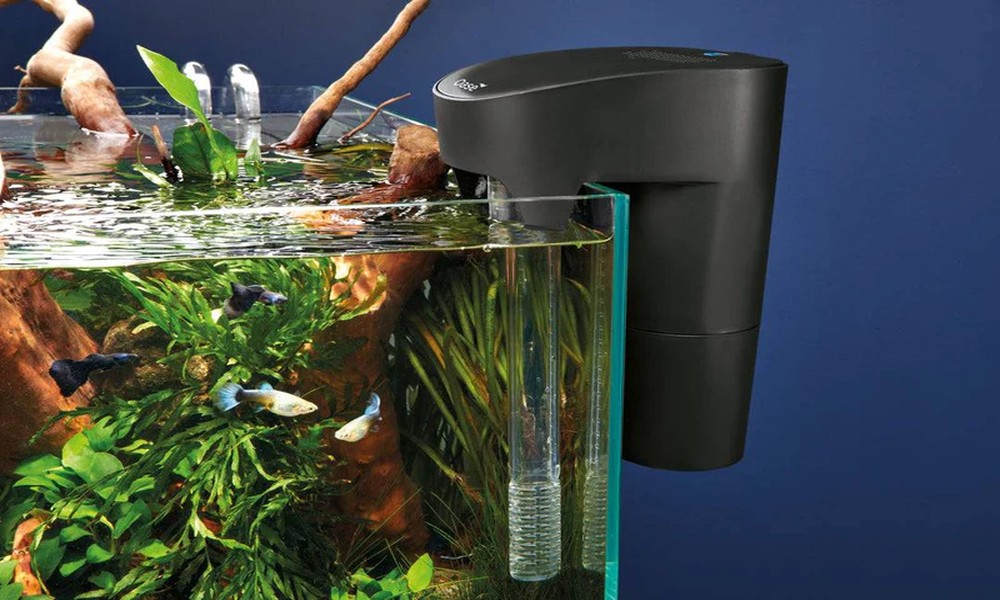
A filter is often described as the “heart” of an aquarium because it plays a central role in maintaining a healthy and balanced tank. Without proper filtration, water quality can quickly decline, affecting fish, plants, and other aquatic life. In the aquarium hobby, there are many filter designs, sizes, and filtration materials available, which can sometimes make choosing the right one feel overwhelming.
Understanding the basics of aquarium filtration is the first step toward selecting the right filter for your tank. By learning how filters work and the different types available, aquarium keepers can create a cleaner, healthier environment for their aquatic life.
Why an Aquarium Needs a Filter
A filter keeps water moving throughout the aquarium. This continuous movement prevents water from becoming stagnant. Stagnant water can create areas where harmful substances such as ammonia begin to accumulate, which can damage plants, fish, and shrimp living in the tank.
Water circulation also helps maintain proper oxygen levels. When water flows through the aquarium, it allows gases to exchange at the surface, bringing oxygen into the water and releasing carbon dioxide. Without this movement, oxygen levels can drop, which can stress or harm aquatic animals.
Some small aquariums may operate without a filter or air stone, but doing so requires frequent water changes and careful control of the number of fish or other animals in the tank. Without regular maintenance, waste can quickly build up and cause unhealthy conditions.
Moving water also helps distribute nutrients evenly throughout the tank. Plants, fish, and other inhabitants rely on these nutrients to survive and grow. A well-functioning filter not only keeps the water clear but also helps maintain a stable environment where aquarium life can thrive.
Another important function of the filter is providing a home for beneficial bacteria. These bacteria play a critical role in the nitrogen cycle, breaking down waste products produced by fish and other organisms. Because of this, the filter becomes one of the most valuable pieces of equipment in any aquarium setup.
Common Types of Aquarium Filters
There are many types of filters available for aquariums, but some of the most commonly used include sponge filters, hang-on-back filters, and canister filters. Each option has its own advantages and limitations depending on the size and purpose of the aquarium.
Sponge Filters
Sponge filters are one of the simplest filtration systems available. They consist of a sponge-like material placed inside the aquarium and connected to an air pump located outside the tank.
The air pump creates suction that pulls water through the sponge. As water moves through the sponge material, debris and waste particles become trapped inside. This process helps remove detritus and other solid waste from the aquarium.
Sponge filters are popular for small aquariums and breeding tanks. They produce gentle water movement, which helps avoid strong currents that could stress delicate fish or fry.
Although some hobbyists feel that the sponge visible inside the tank is not visually appealing, many experienced aquarium keepers still rely on sponge filters because they are reliable and effective. However, in larger aquariums, sponge filters alone may not provide enough water movement to circulate the entire tank.
Hang-on-Back Filters
Hang-on-back filters, often called HOB filters, are among the most commonly used filters in the aquarium hobby. As the name suggests, this filter attaches to the back edge of the aquarium.
Water is drawn from the tank through a pump and directed into the filter chamber. Inside the chamber, the water passes through different types of filter media that remove waste and impurities. Once filtered, the water flows back into the aquarium through a return outlet.
These filters are easy to install and maintain, making them a popular choice for beginners. They can be used with many tank sizes and are also favored by experienced aquarium keepers because of their simple design and relatively low maintenance requirements.
In larger aquariums, some hobbyists choose to run two hang-on-back filters to increase filtration power and improve water circulation.
Canister Filters
Canister filters are powerful filtration systems often used for medium to large aquariums. Unlike hang-on-back filters, the main unit of a canister filter is usually placed outside the aquarium, often hidden inside a cabinet beneath the tank.
Water is pulled from the aquarium through intake pipes and directed into the sealed canister. Inside the canister, water flows through multiple layers of filter media before being returned to the tank through an outlet pipe.
Because the main unit is hidden from view, only the intake and return pipes are visible inside the aquarium. These pipes can be designed to blend with the tank setup for a more discreet appearance.
Canister filters are capable of handling larger volumes of water and are often used in aquariums that contain many fish or require strong filtration. However, they tend to be more expensive and may require more maintenance compared to simpler filter types.
Types of Aquarium Filtration
Aquarium filtration usually involves three different processes: mechanical filtration, biological filtration, and chemical filtration. Most aquarium filters use a combination of these methods to maintain water quality.
Mechanical Filtration
Mechanical filtration removes solid waste from the water. This includes debris such as fish waste, leftover food, and decaying plant material.
As water flows through mechanical filter materials, these particles are physically trapped and removed from circulation. This helps keep the aquarium water clean and improves overall clarity.
Mechanical filtration also contributes to water movement and aeration within the tank.
Biological Filtration
Biological filtration is one of the most important processes in an aquarium. It involves beneficial bacteria that naturally break down harmful substances in the water.
Fish waste and organic matter release ammonia into the water. Ammonia is toxic to fish and other aquatic life. Beneficial bacteria living in the filter convert ammonia into nitrite and then into nitrate, which is much less harmful.
Without biological filtration, ammonia levels in an aquarium would quickly rise to dangerous levels. This makes biological filtration essential for maintaining a stable and healthy environment for fish, shrimp, plants, and other aquarium inhabitants.
Chemical Filtration
Chemical filtration removes dissolved substances from the water. These substances may include organic compounds, toxins, or chemicals that cause unpleasant odors or discoloration.
Chemical filtration materials absorb or bind these impurities as water passes through them. This process helps improve water clarity and overall water quality.
Important Components Found Inside Aquarium Filters
In addition to the different types of filters available, there are also several filtration materials used inside filters. These materials each play a different role in maintaining clean and healthy water.
Filter Floss
Filter floss is a fine filtering material usually made from tightly packed polyester fibers. It is commonly formed into sheets or pads that water passes through during filtration.
As water moves through the floss, small particles become trapped within the dense fibers. This process removes fine debris from the water and improves overall clarity.
Filter floss is typically used as a mechanical filtration material within the filter system.
Filter Sponge
A filter sponge is another mechanical filtration material, usually made from a coarse foam pad. It is often positioned before finer filter materials.
The sponge captures larger debris and particles before they reach finer filtration materials such as filter floss. This helps prevent clogging and allows the rest of the filter media to function more efficiently.
Like filter floss, filter sponges play a key role in mechanical filtration.
Biological Media
Biological filter media are specially designed materials with a porous structure and a large surface area. These features create ideal conditions for beneficial bacteria to grow and multiply.
The large surface area allows many bacteria colonies to live within the media. These bacteria perform the important task of converting harmful ammonia and nitrite into safer nitrate.
Common examples of biological media include ceramic rings and specially designed porous structures that maximize bacterial growth.
Activated Carbon
Activated carbon is often used as a chemical filtration material. It contains many tiny pores that trap dissolved chemicals and pollutants in the water.
When placed in a filter, activated carbon helps remove odors, discoloration, and unwanted substances from the aquarium. Over time, these pores become filled with the materials they absorb.
Because of this, activated carbon must be replaced regularly, typically about once a month or every four to six weeks.
Aquarium keepers should also remember that activated carbon can remove beneficial substances as well. For example, it may remove fertilizers used for plants or medications used to treat fish. For this reason, it is usually recommended to remove activated carbon from the filter when adding these treatments.
Choosing the Right Filter for Your Aquarium
Selecting the right filter depends on several factors related to the aquarium and its purpose.
One important consideration is whether the tank will be a display aquarium or a breeding tank. Display aquariums are designed to highlight the beauty of the aquascape and fish, so many hobbyists prefer filtration systems that remain hidden or less visible.
Breeding or grow-out tanks often focus more on practicality than appearance. In these tanks, simple filtration systems such as sponge filters can work very well.
Another important factor is the filter’s flow rate. Flow rate measures how much water passes through the filter each hour and is usually expressed in gallons per hour, or GPH.
A common recommendation is that the filter should process about four to six times the total volume of the aquarium each hour.
For example, a 20-gallon aquarium would ideally have a filter capable of moving around 80 to 120 gallons of water per hour.
Using a filter with the correct flow rate ensures that the water is properly circulated without creating currents that are too strong for the aquarium inhabitants.
Larger aquariums may require more powerful filters or multiple filtration systems to maintain proper water movement and filtration capacity.
Filter Maintenance
Maintaining an aquarium filter is an important part of keeping a healthy tank environment. While maintenance tasks may seem unpleasant to some aquarium owners, they are essential for preventing waste buildup and maintaining water quality.
The frequency of filter cleaning depends on several factors, including the number of fish in the tank, the size of the filter, and how much debris accumulates in the water.
Regular and consistent maintenance is recommended. Although the filter removes waste from the water, that waste remains inside the filter until it is cleaned out.
Mechanical filtration materials such as filter floss and filter sponges can be rinsed or replaced when they become clogged with debris.
Chemical filtration materials such as activated carbon should usually be replaced once every month or approximately every four to six weeks.
Biological filtration media requires special care. These materials should never be rinsed under tap water or replaced unnecessarily because beneficial bacteria live on their surfaces. Tap water often contains chlorine, which can kill these helpful bacteria.
If biological media needs to be cleaned, it should be gently rinsed using water taken directly from the aquarium. This helps preserve the beneficial bacteria colonies that maintain the nitrogen cycle and keep the aquarium stable.
