

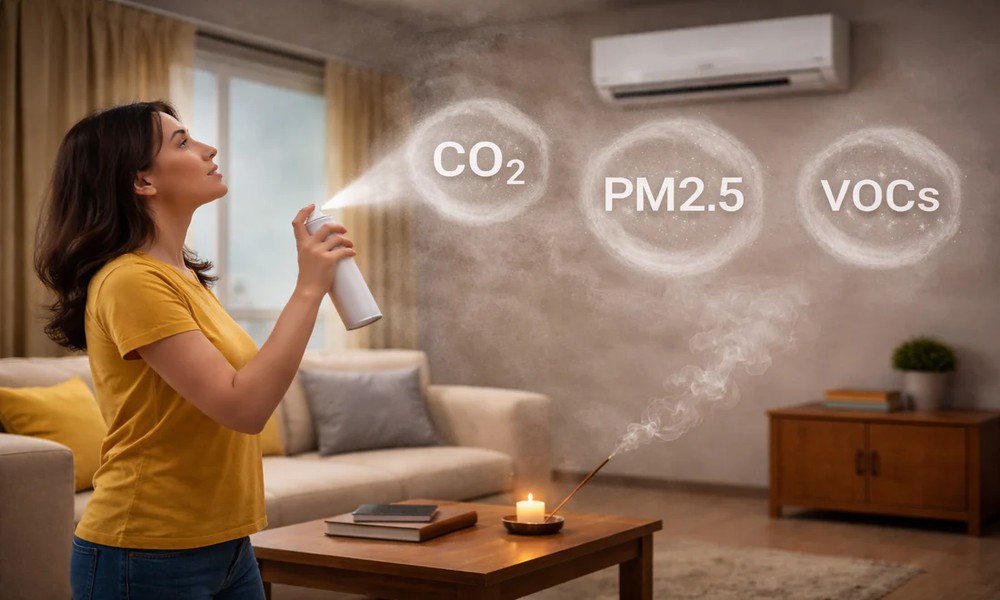
We spend roughly 90% of our time indoors, yet many of us assume the air inside our homes is cleaner and safer than the air outside. The reality is often the opposite. In fact, studies consistently show that indoor air quality can be two to five times more polluted than outdoor air, and in some cases even higher. This invisible issue affects our health, comfort, and even the longevity of our homes, yet it rarely gets the attention it deserves.
The problem has grown alongside modern living. Tighter building regulations designed for energy efficiency have sealed our homes more effectively, trapping pollutants inside. At the same time, we introduce more synthetic materials, cleaning products, and electronics that release harmful substances into the air we breathe every day. Understanding why your home’s air might be compromised is the first step towards creating a healthier living environment.
Common Sources of Indoor Air Pollution
Indoor air pollutants come from a surprising variety of everyday sources. Dust, for instance, is more than just a nuisance; it carries dust mites, pet dander, pollen, and microscopic particles that accumulate rapidly. In homes with carpets, soft furnishings, or poor ventilation, these allergens can linger for months.
Volatile organic compounds (VOCs) represent another major concern. These chemicals are released from paints, varnishes, furniture, flooring, and even air fresheners. New homes or recently renovated properties often have the highest concentrations, a phenomenon sometimes called “new house syndrome”. Products we use for cleaning – from bleach-based sprays to scented detergents – add to this chemical cocktail.
Cooking is a frequent but overlooked contributor. Frying, grilling, or even boiling water releases particulate matter and gases. Without an effective extractor fan or good ventilation, these emissions build up, particularly in open-plan kitchens and living areas. In many British homes, gas hobs remain popular, quietly adding nitrogen dioxide to the indoor atmosphere.
Mold and moisture create their own set of problems. Condensation on windows, rising damp, or leaks can foster Mold growth, which releases spores and mycotoxins. Even if you cannot see visible Mold, hidden growth behind walls or under floors can degrade air quality significantly.
The Role of Poor Ventilation and Modern Homes
Energy-efficient homes are wonderful for reducing heating bills, but they often come at a cost to air circulation. Double glazing, draught-proofing, and insulation dramatically reduce natural airflow. While this helps retain heat in the colder months, it also prevents stale, polluted air from escaping and fresh air from entering.
Older properties are not necessarily better. They may have better natural ventilation through gaps and chimneys, yet they frequently suffer from other issues such as asbestos in older materials, lead paint dust, or inadequate damp-proofing. The balance is delicate, and many homes fall somewhere in between – neither properly sealed nor sufficiently ventilated.
Seasonal factors make matters worse. In winter, we close windows and rely on heating systems that may themselves circulate dust and dry out the air, irritating respiratory passages. In summer, pollen and outdoor pollutants can enter through open windows, combining with indoor sources.
Health Effects You Shouldn’t Ignore
The consequences of breathing polluted indoor air are more significant than many realize. Short-term effects include headaches, fatigue, eye and throat irritation, and worsened allergy symptoms. Children, the elderly, and those with asthma or other respiratory conditions are particularly vulnerable.
Longer-term exposure has been linked to more serious conditions. Poor indoor air quality can contribute to the development or aggravation of chronic respiratory diseases, cardiovascular issues, and even certain neurological effects. Some researchers suggest that continuous exposure to household pollutants may play a role in cognitive decline over time, although more studies are needed in this area.
The mental health dimension is often overlooked. Stale, stuffy air can affect concentration and sleep quality, contributing to a general sense of unease that many people attribute to stress or other lifestyle factors rather than their environment.
Measuring and Understanding Your Indoor Air
Fortunately, awareness is growing. Affordable air quality monitors can now measure particulate matter (PM2.5), VOC levels, carbon dioxide, and humidity in real time. These devices provide valuable insights and can reveal surprising spikes during activities such as cooking or cleaning.
Beyond gadgets, simple observation matters. Musty smells, frequent dust accumulation, condensation on windows, or unexplained allergy symptoms are all warning signs. If family members seem to feel better when away from home – for example, during holidays – this can be a strong indicator that indoor air is the culprit.
Practical Steps to Cleaner Air
Improving your home’s air does not require a complete overhaul. Start with ventilation: open windows regularly, even in winter, for short periods to create cross-flows. Use extractor fans in kitchens and bathrooms, and consider a mechanical ventilation system with heat recovery (MVHR) for newer or heavily insulated properties.
Regular cleaning habits make a difference. Vacuum with a HEPA-filter model, dust with microfibre cloths that trap particles rather than spreading them, and wash bedding at higher temperatures to control dust mites. Choose low-VOC paints and furnishings when decorating or replacing items.
Houseplants can offer modest benefits, although they work best as part of a broader strategy rather than a standalone solution. Certain species such as peace lilies or spider plants may help filter some toxins, while also improving the psychological sense of freshness.
Maintenance of heating and cooling systems is essential. Change filters regularly and have boilers and ductwork serviced. In homes with air conditioning or whole-house ventilation, professional cleaning prevents the system from becoming a distribution network for pollutants.
For those dealing with persistent issues, professional assessment can identify hidden problems such as Mold behind plaster or inadequate radon protection in certain parts of the UK.
Taking Control of Your Indoor Environment
The air in your home should support your health rather than undermine it. By recognising the sources of pollution and taking practical steps to address them, you can create a space that genuinely feels fresh and restorative. Small, consistent changes often yield the biggest improvements.
The next time you step through your front door, pause for a moment and consider the air you are about to breathe. With greater awareness and a few targeted actions, you can ensure it is as clean and healthy as possible, something we all deserve in the place where we spend most of our lives.