

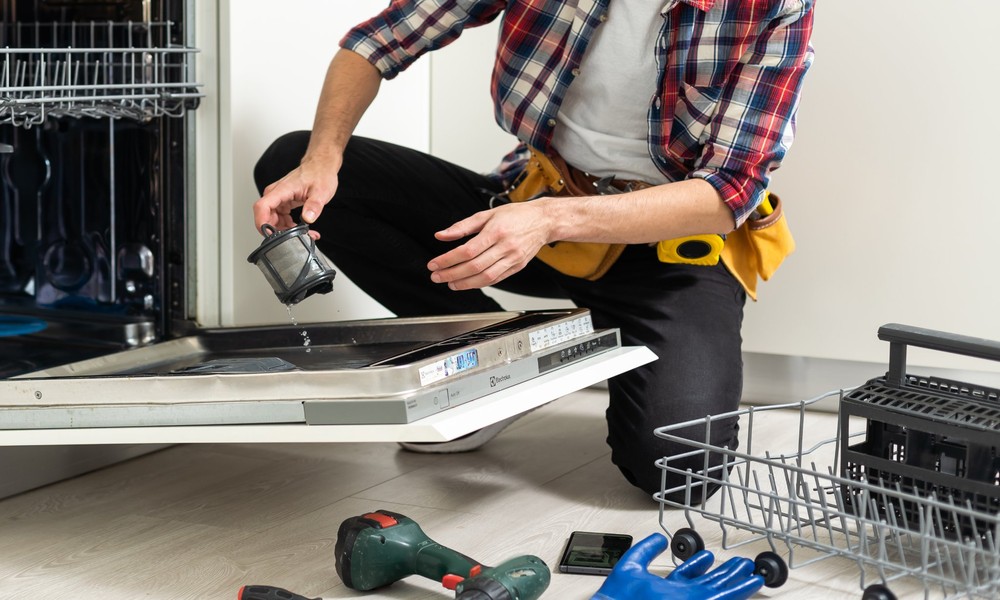
Household appliances make daily life significantly more convenient, but many homeowners rarely think about maintenance until something stops working. Refrigerators preserve food around the clock, washing machines handle hundreds of laundry loads each year, dishwashers save countless hours of manual cleaning, and ovens help prepare daily meals. These appliances represent a substantial investment and are expected to operate reliably for many years.
Unfortunately, neglected maintenance remains one of the leading causes of unexpected appliance breakdowns. Small issues such as dirty filters, worn seals, clogged drains, or unusual noises often develop gradually before turning into expensive repair problems. What might have been a simple maintenance task can eventually lead to component failures costing hundreds-or even thousands-of dollars.
The good news is that preventive maintenance can dramatically reduce the likelihood of major breakdowns. By performing routine inspections and addressing minor concerns early, homeowners can improve appliance performance, reduce repair expenses, and extend equipment lifespan.
Key Takeaways
- Preventive maintenance can significantly reduce appliance repair costs.
- Most major appliance failures develop gradually rather than occurring suddenly.
- Regular inspections help identify worn components before they fail.
- Proper maintenance improves energy efficiency and appliance performance.
- Homeowners can perform many basic maintenance tasks themselves.
- Professional inspections can uncover hidden issues that may otherwise go unnoticed.
Why Appliance Maintenance Matters?
Many appliance failures are preventable.
The Financial Impact of Appliance Breakdowns
Unexpected appliance failures often result in-
- Expensive repair bills
- Emergency service charges
- Food spoilage
- Water damage
- Premature replacement costs
Replacing a major appliance can easily cost several times more than routine maintenance.
The Value of Preventive Care
Regular maintenance provides several benefits-
- Longer appliance lifespan
- Better performance
- Fewer repair calls
- Improved energy efficiency
- Reduced operating costs
A refrigerator that operates efficiently, for example, consumes less electricity and experiences less strain on its cooling system.
How Maintenance Protects Your Investment
Preventive care helps-
- Preserve manufacturer performance standards
- Reduce wear on critical components
- Improve reliability
- Identify developing issues before failure occurs
Small investments in maintenance often produce significant long-term savings.
Refrigerator Maintenance Essentials
Refrigerators operate continuously and require routine care to maintain performance.
Clean Condenser Coils Regularly
Condenser coils release heat generated during refrigeration.
When coils become dirty-
- Cooling efficiency declines
- Compressors work harder
- Energy consumption increases
Most manufacturers recommend cleaning coils every 6-12 months.
Inspect Door Seals
Healthy door seals help-
- Prevent warm air infiltration
- Maintain proper temperatures
- Reduce compressor workload
Damaged gaskets can significantly increase energy consumption.
Replace Water Filters
For refrigerators with ice makers or water dispensers-
- Replace filters according to manufacturer recommendations
- Maintain water quality
- Protect ice maker systems
Warning Signs to Watch For
Common refrigerator warning signs include-
- Temperature fluctuations
- Excessive frost buildup
- Water leaks
- Constant running
- Unusual noises
Addressing these symptoms early often prevents major repairs.
Washing Machine Maintenance Tips
Washing machines experience significant wear because of frequent use.
Inspect Water Hoses
Water hoses should be inspected regularly for-
- Cracks
- Bulges
- Corrosion
- Loose fittings
Many experts recommend replacing rubber hoses every three to five years.
Avoid Overloading
Overloading increases stress on-
- Motors
- Bearings
- Suspension systems
- Drive components
Following manufacturer load recommendations can significantly extend washer lifespan.
Clean Filters and Dispensers
Routine cleaning helps-
- Improve drainage
- Prevent detergent buildup
- Maintain cleaning performance
Early Signs of Trouble
Watch for-
- Excessive vibration
- Standing water
- Spin-cycle issues
- Unusual noises
These symptoms often indicate developing mechanical problems.
Dishwasher Maintenance Best Practices
Dishwashers rely on multiple systems working together efficiently.
Clean Filters Monthly
Dirty filters can cause-
- Poor cleaning results
- Drainage problems
- Unpleasant odors
Monthly cleaning helps maintain performance.
Inspect Spray Arms
Spray arm openings should remain free of-
- Food debris
- Mineral deposits
- Hard water buildup
Blocked spray arms often leave dishes dirty after a cycle.
Remove Hard Water Deposits
Mineral accumulation can reduce-
- Water flow
- Cleaning effectiveness
- Appliance efficiency
Periodic cleaning helps prevent buildup.
Check Door Gaskets
Healthy door seals help prevent-
- Water leaks
- Energy loss
- Moisture-related damage
Common Warning Signs
Potential dishwasher problems include-
- Dirty dishes
- Standing water
- Water leaks
- Unusual noises
Prompt attention often prevents more expensive repairs.
Oven and Range Maintenance
Cooking appliances also benefit from regular inspections.
Keep Burners Clean
Clean burners provide-
- Better heat distribution
- Improved efficiency
- More consistent cooking results
Inspect Heating Elements
Look for-
- Visible damage
- Uneven heating
- Slow temperature recovery
Monitor Temperature Accuracy
Temperature inconsistencies can affect-
- Cooking quality
- Baking results
- Appliance performance
Check Ignition Systems
Gas appliance owners should monitor-
- Delayed ignition
- Weak flames
- Ignition failures
Signs Repairs May Be Needed
Common warning signs include-
- Uneven cooking
- Ignition issues
- Control panel malfunctions
- Unusual odors
Freezer Maintenance for Long-Term Reliability
Freezers often receive less attention than other appliances but still require maintenance.
Monitor Internal Temperatures
Recommended freezer temperature-
- 0°F (-18°C)
Consistent temperatures help preserve food quality.
Inspect Door Gaskets
Damaged seals can lead to-
- Frost buildup
- Energy waste
- Reduced cooling efficiency
Avoid Excessive Frost Buildup
Heavy frost accumulation may indicate-
- Seal failures
- Defrost system issues
- Air leaks
Maintain Proper Airflow
Proper airflow helps-
- Improve cooling consistency
- Reduce compressor strain
- Extend component lifespan
Common Freezer Warning Signs
Watch for-
- Temperature fluctuations
- Excessive ice accumulation
- Continuous operation
- Unusual noises
The Most Common Maintenance Mistakes Homeowners Make
Many breakdowns result from avoidable maintenance oversights.
Ignoring Small Problems
Minor symptoms often indicate larger issues developing behind the scenes.
Examples include-
- Strange noises
- Small leaks
- Longer cycle times
- Reduced efficiency
Skipping Manufacturer Recommendations
Maintenance schedules exist for a reason and should not be ignored.
Delaying Professional Inspections
Some developing problems remain invisible without professional evaluation.
Overlooking Energy Efficiency Changes
Sudden increases in utility bills often signal appliance performance issues.
How Maintenance Improves Appliance Lifespan
Routine maintenance can significantly extend service life.
Refrigerator Lifespans
Typically-
- 10-15 years
Washing Machine Lifespans
Typically-
- 10-13 years
Dishwasher Lifespans
Typically-
- 8-12 years
Freezer Lifespans
Often-
- 12-20 years
The Role of Preventive Maintenance
Preventive care helps-
- Extend service life
- Improve reliability
- Reduce repair frequency
- Maintain efficiency
Well-maintained appliances frequently exceed average lifespan expectations.
Popular Appliance Brands and Maintenance Considerations
Different manufacturers may have unique maintenance requirements.
Samsung Appliances
Advanced smart features often require-
- Software updates
- Sensor monitoring
- Proper diagnostics
LG Appliances
Preventive maintenance helps protect-
- Inverter compressors
- Smart control systems
Whirlpool Appliances
Routine inspections often focus on-
- Mechanical components
- Drive systems
- Cooling systems
GE Appliances
Regular maintenance supports-
- Electronic controls
- Heating elements
- Cooling performance
KitchenAid Appliances
Attention to filters and circulation systems is especially important.
Bosch Appliances
Proper maintenance helps preserve-
- Water circulation systems
- Precision cleaning components
Why Brand-Specific Maintenance Matters
Modern appliances often include-
- Smart technology
- Specialized components
- Warranty requirements
Following manufacturer recommendations helps protect both performance and coverage.
Why Professional Appliance Maintenance Is Worth Considering
Homeowners can perform many maintenance tasks themselves, but some inspections require specialized tools and technical expertise.
Professional technicians can identify-
- Worn components
- Hidden performance issues
- Early signs of failure
- Safety concerns
Many homeowners find that scheduling routine appliance repair Buford service and maintenance inspections helps prevent costly appliance replacements while keeping refrigerators, washers, dishwashers, ovens, and freezers operating efficiently. Early diagnosis often allows technicians to correct minor issues before they develop into major breakdowns.
Creating an Appliance Maintenance Schedule
Consistency is the key to successful preventive maintenance.
Monthly Tasks
- Inspect visible components
- Clean applicable filters
- Check for leaks
- Monitor appliance performance
Quarterly Tasks
- Deep-clean appliances
- Evaluate performance changes
- Inspect seals and gaskets
Annual Tasks
- Inspect hoses and water lines
- Clean condenser coils
- Schedule professional evaluations
- Review appliance efficiency
Creating a maintenance calendar can help homeowners stay organized and proactive.
Repair vs. Prevention- Which Costs Less?
The answer is almost always prevention.
Comparing Maintenance Costs to Major Repairs
Routine maintenance may cost a fraction of-
- Compressor replacements
- Motor repairs
- Control board replacements
- Water damage restoration
The Financial Benefits of Early Detection
Early intervention helps-
- Reduce repair costs
- Prevent secondary damage
- Extend appliance lifespan
Examples of Preventable Appliance Failures
Many expensive repairs begin with-
- Dirty condenser coils
- Worn door seals
- Clogged filters
- Leaking hoses
Regular maintenance often identifies these issues before major failures occur.
Conclusion
Most appliance breakdowns can be traced back to gradual wear, neglected maintenance, or warning signs that were overlooked for too long. Fortunately, many common appliance failures are preventable through routine inspections and basic upkeep.
By maintaining refrigerators, washers, dishwashers, ovens, and freezers on a regular schedule, homeowners can improve efficiency, reduce repair expenses, and significantly extend appliance lifespan. Preventive maintenance not only protects valuable household investments but also reduces the inconvenience of unexpected breakdowns.
Combining simple maintenance habits with periodic professional inspections provides one of the most effective strategies for keeping household appliances operating reliably for years to come.
FAQs
How often should major household appliances be maintained?
Most appliances benefit from monthly visual inspections, quarterly cleaning, and annual professional evaluations.
Does appliance maintenance really reduce repair costs?
Yes. Preventive maintenance helps identify small issues before they become expensive repairs.
What appliance maintenance tasks can homeowners perform themselves?
Common DIY tasks include cleaning filters, inspecting seals, checking hoses, cleaning condenser coils, and monitoring appliance performance.
How do I know if an appliance needs professional inspection?
Warning signs include unusual noises, leaks, reduced efficiency, temperature fluctuations, and recurring operational problems.
Is maintenance still important for newer appliances?
Absolutely. Even new appliances require routine care to maintain performance, efficiency, and manufacturer warranty compliance.