

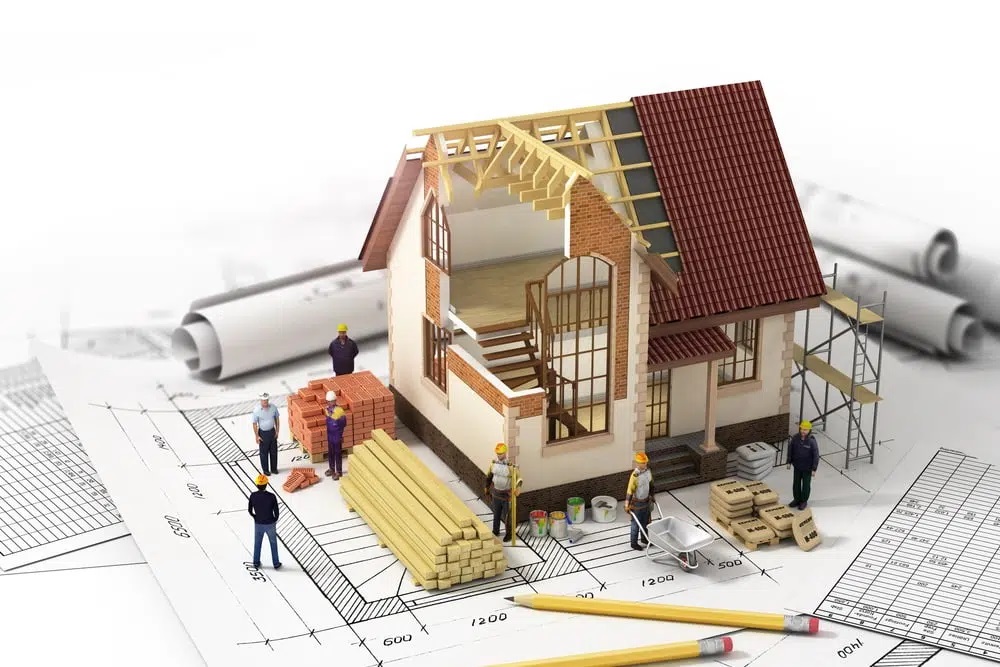
In the UK, effective project management is crucial in the construction industry, involving meticulous planning and coordination. Architectural Services Kent Ltd, a renowned expert in the field, highlights the importance of understanding the differences between planning permission and building regulations.
The UK planning system is complex, and homeowners must navigate it to ensure their projects comply with relevant laws. Architecture services play a vital role in guiding homeowners through this process, ensuring that their projects are executed smoothly and in accordance with UK regulations.
Key Takeaways
- Understanding the difference between planning permission and building regulations is crucial.
- Effective project management is vital in the construction industry.
- Architecture services can guide homeowners through the UK planning system.
- Compliance with UK regulations is essential for successful project execution.
- Homeowners must navigate the complex UK planning system.
Introduction: The Two Hurdles of Building Project Approval
The UK planning system presents two significant challenges for homeowners: planning permission and building regulations. Understanding these components is vital for the successful completion of a building project.
Why Understanding the UK Planning System is Crucial for Homeowners
For homeowners, grasping the intricacies of the UK planning system is essential. It not only ensures compliance with legal requirements but also helps in avoiding costly delays. Construction planning involves defining the project scope, identifying tasks, and allocating resources. A well-planned project can benefit from the expertise of professionals like those at Architectural Services Kent, who can guide homeowners through the complex process.
Differentiating Between Planning Permission and Building Regulations
Planning permission focuses on the appearance and impact of a development on its surroundings, while building regulations concern the safety, health, and environmental aspects of the construction. Differentiating between these two is crucial for homeowners to ensure their project meets all necessary legal standards.
To clarify, planning permission is about how a development affects its environment and whether it aligns with local planning policies. On the other hand, building regulations are more about the technical aspects of the construction, ensuring that it is safe, accessible, and energy-efficient.
- Planning permission involves assessing the external impact of a development.
- Building regulations focus on the internal and technical aspects of construction.
Both are critical for the approval and successful completion of a building project. By understanding and complying with these regulations, homeowners can avoid potential pitfalls and ensure their project is both legal and safe.
Part 1: Navigating the Planning Permission Process
In the UK, navigating the planning permission process is a critical step for any construction project. This process involves submitting detailed project information to the local planning authority for approval.
What is Planning Permission? A Focus on Appearance and Impact
Planning permission is a legal requirement that ensures any new build, extension, or conversion aligns with local and national planning policies. It focuses on the appearance and impact of the development on its surroundings.
The key aspects considered in planning permission include:
- The design and external appearance of the proposed development
- The impact on the local environment and neighboring properties
- Accessibility and parking provisions
When Do You Need to Apply? Extensions, New Builds, and Conversions
Most construction projects require planning permission, including extensions, new builds, and conversions. However, the need for permission can depend on the project’s specifics, such as its size, location, and the type of development.
Examples of projects that typically require planning permission include:
- Large extensions that significantly alter the existing building
- New builds, including houses and commercial properties
- Conversions that change the use of a building, such as turning a house into flats
Understanding Permitted Development Rights as an Alternative
In some cases, projects may be covered under Permitted Development Rights (PDR), which allow certain developments without the need for full planning permission. PDR is subject to specific criteria and limitations.
Examples of developments that might be permitted include:
- Small extensions, such as single-story rear extensions
- Loft conversions, under certain conditions
- Outbuildings, like sheds or garages, within specific size limits
The Key Documents: From Site Plans to Proposed Elevations
To apply for planning permission, several key documents must be submitted, including:
- Site plans, showing the location of the proposed development
- Proposed elevations, detailing the design and appearance of the new work
- Floor plans, illustrating the layout of the proposed development
It’s crucial that these documents are accurate and comprehensive to facilitate a smooth application process.
Part 2: Complying with Building Regulations
The UK’s construction industry is governed by a set of rules known as Building Regulations, which are designed to ensure that buildings are safe, accessible, and energy-efficient. These regulations are crucial for maintaining the quality and safety of construction projects.
Safety and Construction Quality
Building Regulations are a set of standards that dictate the minimum requirements for building design and construction in the UK. They cover a wide range of aspects, including structural integrity, fire safety, and energy efficiency, to ensure that buildings are not only safe for occupants but also environmentally friendly.
The primary focus of Building Regulations is on ensuring that buildings are constructed to meet safety and quality standards. This includes requirements for structural stability, fire resistance, and the prevention of hazards such as falls and electrical shocks. For detailed information on the specific requirements, one can refer to resources such as guidelines on building control.
Key Areas of Compliance
There are several key areas that construction projects must comply with under Building Regulations. These include:
- Structure: Ensuring that the building’s design and construction can withstand loads and stresses.
- Fire Safety: Implementing measures to prevent and contain fires, including the use of fire-resistant materials and designing escape routes.
- Energy Efficiency: Incorporating features that reduce energy consumption, such as insulation, double glazing, and efficient heating systems.
The Role of Building Control
Building Control bodies play a crucial role in ensuring compliance with Building Regulations. There are two types of Building Control: Local Authority Building Control and Approved Inspectors. Both are responsible for checking that construction work meets the required standards.
Local Authority Building Control is provided by the local council, while Approved Inspectors are private companies that are approved by the government to carry out building control services. Both options have their advantages, and the choice between them depends on the specific needs of the project.
Technical Drawings and Specifications
To comply with Building Regulations, construction projects must submit detailed technical drawings and specifications. These documents must demonstrate how the proposed building work meets the relevant regulations, including those related to structure, fire safety, and energy efficiency.
The technical drawings should include detailed plans, elevations, and sections that clearly show the construction methods and materials to be used. Specifications should outline the materials and workmanship standards, ensuring that they meet the required building standards.
How a Design Service Helps You Achieve Compliance
For homeowners and builders alike, navigating the intricacies of planning permission and building regulations is made easier with the help of a professional design service. Effective construction project management involves coordinating various stakeholders and resources, and a design service plays a pivotal role in this process.
Creating Accurate and Compliant Drawings for Both Applications
A key benefit of using a design service is the creation of accurate and compliant drawings for both planning permission and building regulations applications. This involves producing detailed site plans, proposed elevations, and technical specifications that meet the requirements of the UK planning system.
Key components of compliant drawings include:
- Detailed site plans showing the proposed development in relation to the existing site
- Proposed elevations that clearly illustrate the design and appearance of the new build or extension
- Technical drawings and specifications that outline the construction methods and materials to be used
Acting as Your Agent to Manage Submissions and Council Communications
A design service can also act as your agent, managing the submission process for both planning permission and building regulations applications. This includes liaising with the local council, responding to any queries, and ensuring that all necessary documentation is submitted.
The benefits of having a design service act as your agent include:
- Streamlined submission process, reducing the risk of delays or rejections
- Expert handling of council communications, ensuring that all queries are addressed promptly
- Reduced administrative burden on the homeowner or builder, allowing them to focus on other aspects of the project
Coordinating the Technical Details with Other Professionals
Coordinating the technical details of a building project with other professionals, such as architects, engineers, and contractors, is crucial for ensuring compliance with building regulations. A design service can facilitate this coordination, ensuring that all technical drawings and specifications are accurate and consistent.
The importance of coordination includes:
- Ensuring that all technical details are accurate and comply with building regulations
- Facilitating effective communication between all stakeholders, reducing the risk of misunderstandings or errors
- Streamlining the construction process, as all parties are working from the same detailed plans and specifications
Conclusion: Ensuring Your Project is Legal, Safe, and Well-Designed
Effective building planning is crucial in the UK construction industry, ensuring that projects are completed on time, within budget, and to the required quality standards. Understanding the distinction between Planning Permission and Building Regulations is vital for homeowners and builders alike.
A well-designed project not only enhances the aesthetic appeal of a property but also ensures compliance with safety and construction quality standards. By navigating the Planning Permission process and adhering to Building Regulations, individuals can avoid costly delays and potential legal issues.
In the UK, Building Planning plays a pivotal role in Construction projects. Ensuring that your project meets the necessary Planning Permission and Building Regulations requirements is essential for a successful outcome. By doing so, you can guarantee a safe, well-designed, and legally compliant construction project.
FAQ
What is the difference between planning permission and building regulations?
Planning permission focuses on the appearance and impact of a building project, while building regulations concentrate on the safety and construction quality of the project.
When is planning permission required for a building project?
Planning permission is required for extensions, new builds, and conversions that do not fall under permitted development rights. The specific requirements depend on the project’s location, size, and design.
What are permitted development rights, and how do they differ from planning permission?
Permitted development rights allow certain building projects to proceed without the need for full planning permission. However, these rights are subject to specific conditions and limitations, and not all projects qualify.
What documents are necessary for a planning permission application?
The necessary documents typically include site plans, proposed elevations, and other supporting information that illustrates the project’s design and impact.
What are the key areas of compliance for building regulations?
The key areas of compliance include structure, fire safety, and energy efficiency, among others. Building control ensures that these regulations are met through the approval of technical drawings and specifications.
How can a design service assist with achieving compliance for planning permission and building regulations?
A design service, such as Architectural Services Kent Ltd, can create accurate and compliant drawings, act as an agent to manage submissions and council communications, and coordinate technical details with other professionals.
What is the role of building control in ensuring compliance with building regulations?
Building control, whether through the local authority or approved inspectors, verifies that building projects meet the required standards for safety and construction quality by reviewing technical drawings and specifications.
Why is it essential to understand the UK planning system for homeowners?
Understanding the UK planning system is crucial for homeowners to ensure that their building projects are legal, safe, and well-designed, avoiding potential delays, fines, or even project abandonment.