

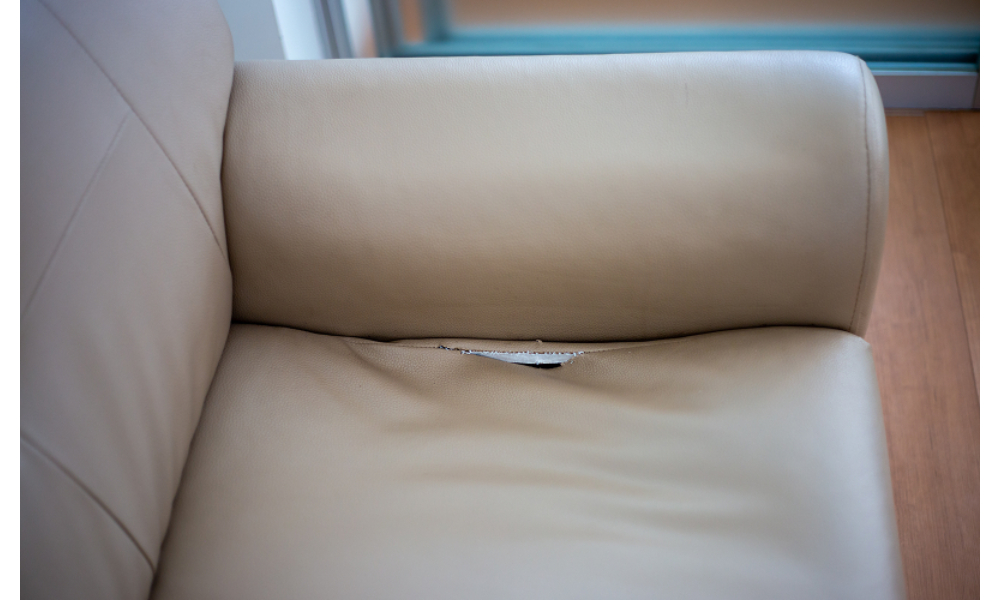
Price often takes centre stage when people shop for new furniture. A bargain sofa or discounted dining set can feel like a smart purchase at first glance. But once the excitement fades and daily use sets in, the true cost of cheap furniture begins to surface — not just in dollars, but in comfort, durability, and even your well-being.
1. When Affordability Becomes False Economy
A low price tag is appealing, especially when setting up a home or replacing worn-out pieces. However, furniture that is cheaply made often uses inferior materials—particleboard instead of solid wood, synthetic fabrics that tear or fade, and metal frames that warp under pressure. While these items look fine in the showroom, they rarely hold up to the wear and tear of everyday life. The sofa cushions may sag, screws loosen, and joints creak within months. The initial savings vanish quickly when you have to repair or replace items prematurely. In reality, you end up spending more over time than if you had invested in a better-quality sofa from the start.
2. Compromised Comfort and Ergonomics
Cheap sofas are often designed with cost-cutting as the priority, not comfort. The padding might feel soft at first, but quickly compresses, leading to uneven support. Sitting for long periods on an unbalanced or poorly cushioned sofa can cause back pain, neck stiffness, or even poor posture over time. In contrast, well-constructed furniture is ergonomically designed, with proper weight distribution and durable foam that retains shape. While comfort is intangible, its absence is impossible to ignore—a daily reminder that cheap isn’t always cheerful.
3. The Hidden Impact on Health and Air Quality
Few people consider what goes into manufacturing cheap furniture. Many low-cost sofas and cabinets are made using adhesives, varnishes, and paints that emit volatile organic compounds (VOCs). These chemicals can linger in your home, affecting indoor air quality and potentially triggering headaches, allergies, or respiratory issues. High-quality furniture, especially those built to international safety or environmental standards, is often made from low-emission materials and responsibly sourced wood. The difference is not only aesthetic; it’s about maintaining a healthy living environment.
4. Environmental Costs That Go Unseen
Buying cheap furniture also contributes to a growing problem of waste. Disposable sofas and low-quality furniture rarely last beyond a few years, leading to more landfill accumulation. This “fast furniture” trend mirrors the fast fashion industry—appealing at first for its affordability but devastating for sustainability. On the other hand, furniture that is built to last often uses recyclable materials, modular designs, and renewable resources. Spending a little more on quality can significantly reduce environmental impact and help create a home that is both beautiful and responsible.
5. Emotional Value and Long-Term Satisfaction
Furniture isn’t just functional; it’s emotional. A well-made sofa becomes part of daily life, hosting conversations, movie nights, and quiet moments of rest. It ages gracefully, developing a lived-in character that cheap alternatives can’t replicate. There’s a certain satisfaction in knowing your furniture will stand the test of time, rather than being another short-lived fixture. Choosing quality over cheapness is as much about mindset as it is about money; it’s an investment in stability, aesthetics, and comfort.
Conclusion
The hidden costs of buying cheap sofas and furniture extend far beyond the price tag. Poor durability, compromised comfort, potential health risks, and environmental harm all add up over time. The next time a heavily discounted sofa catches your eye, ask yourself what you’re really paying for—quick savings or lasting value? Investing in quality furniture might cost more upfront, but it pays dividends in comfort, longevity, and peace of mind.
Contact Maxi Home to upgrade your home with long-lasting furniture.