

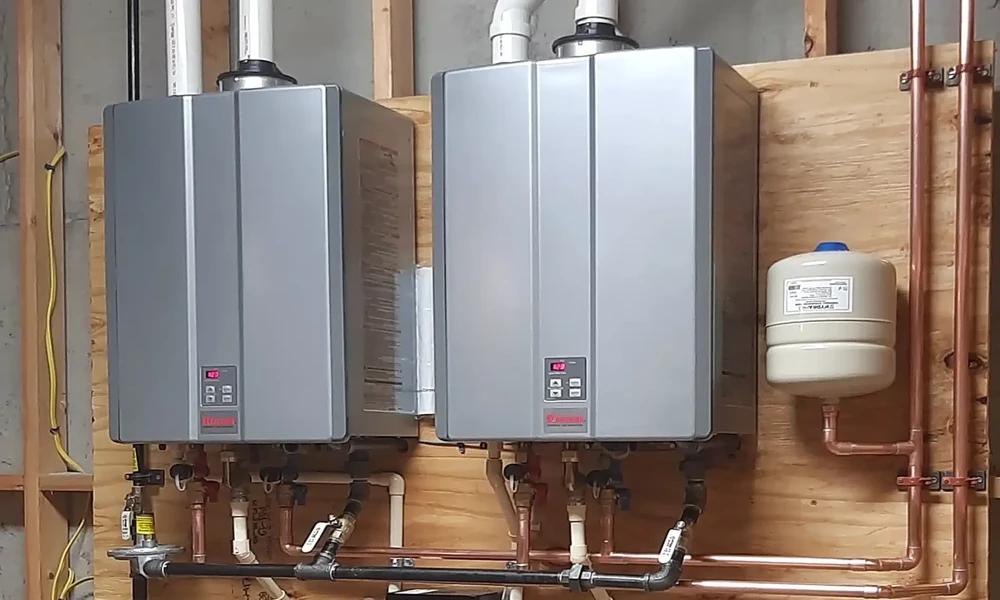
Most people pick a water heater in a hurry. The old one starts leaking from the bottom, the garage floor gets wet, and someone has to decide by lunchtime. Quick decisions usually mean buying the same thing again, a 50 gallon tank in the same spot, connected the same way. Sometimes that’s the right call. Often nobody stopped to ask whether the house would be better off with a tankless unit.
The two designs work in very different ways. A tank keeps a fixed amount of water hot all day and night. A tankless unit keeps nothing stored. It heats water only as it passes through, and it only switches on when a tap opens. Each design has times of day when it shines and times when it falls short.
Families looking at a Lexington County And Lexington water heater replacement can get both options installed by the locally owned team at callsmoothwaters.com, which also services and flushes existing units. Before getting quotes, though, it helps to see how each type handles an ordinary day in a busy house.
The 6:30 Rush
Two showers run back to back while the dishwasher finishes last night’s load. A tank handles this well until it runs out. A 50 gallon gas tank holds enough for a couple of long showers, but the third person in line may get lukewarm water while the burner tries to catch up. Electric tanks recover even more slowly, because their heating elements put out less heat than a gas burner.
A tankless unit never runs out of hot water, but it can only heat so much water at once. Every model has a flow limit, measured in gallons per minute, and that limit drops as the incoming water gets colder. On a January morning when the supply water is cold, a unit that easily ran two showers in August might only keep up with one and a half. A properly sized tankless heater handles the morning rush comfortably. One sized too small makes the water swing between hot and lukewarm whenever a second fixture opens.
The Hours When Nobody Is Home
From 9 to 5 the house is empty, and the difference between the two designs shows up on the utility bill.
A tank keeps reheating the same water all day so it stays ready. Some heat escapes through the walls of the tank and, on gas models, up the flue. That standby loss is the main reason a conventional gas tank turns only about 60 to 70 percent of its fuel into usable hot water. Most gas tankless units are rated above 80 percent, and condensing models above 90, because they burn nothing while the house is empty.
Real-world savings depend on how the household uses water. Field research by the federal Building America program found that tankless units save the most in homes with longer, steady draws, and much less when hot water is used in lots of short bursts. A house that uses a moderate amount of hot water can expect a solid reduction in water heating costs. A family that uses a lot of hot water all day will see a smaller percentage savings, even though they still save money.
Dinner Dishes and the Cold Water Sandwich
Tankless owners sometimes find an odd quirk at the kitchen sink. Someone rinses a plate, shuts the tap, and turns it back on a minute later. First comes hot water left in the pipe, then a few seconds of cold, then hot again. Plumbers call that the cold water sandwich. It happens because the burner shut off and has to fire up again. It’s harmless, though it can be annoying, and some newer models have a small built-in buffer tank or recirculation option that mostly gets rid of it.
Tanks don’t have that problem. They do have their own wait, though. The hot water still has to travel the length of the pipe from the tank to the faucet. No water heater fixes a long pipe run. Only a recirculation loop or moving the heater closer does.
When Company Fills the Guest Room
Holidays are tough on a tank. Five or six people showering in one morning can drain even a large tank, and the last person in line gets the coldest water. A tankless unit runs as long as the water keeps flowing, so a houseful of guests won’t use it up. The flow limit still applies, so two guests showering at the same moment can still be too much for a small unit.
The Night the Power Goes Out
Summer storms knock out power across the Midlands every year, and the two types handle outages very differently.
A standard atmospheric gas tank with a standing pilot needs no electricity at all, so it keeps heating water through an outage. A gas tankless unit relies on electronic ignition and a fan, so it shuts off when the power does unless it’s connected to a generator or battery backup. Electric models of either type stop working in an outage, although a well insulated tank will hold warm water for most of a day.
Ten Years Down the Road
A typical tank lasts somewhere between 8 and 12 years. The anode rod gets used up, sediment builds up on the bottom, and eventually the steel tank rusts through. A tankless heat exchanger can last 20 years if it’s looked after, and it’s the looking after that matters. Minerals build up inside the narrow passages, so most manufacturers want the unit descaled every year or two by flushing a mild acid solution through it. If that’s skipped, efficiency drops and error codes start showing up long before the unit should wear out.
Rules for these units are changing too. The Appliance Standards Awareness Project has a fact sheet on the newer federal tankless standards explaining how they push gas tankless models toward condensing technology. That’s useful to know if you plan to stay in the house long enough to replace the heater again.
What the Walls and Wires Decide for You
Sometimes your daily routine isn’t the deciding factor. The house is. A few practical details often narrow the choice before price comes into it.
- Gas line size. A gas tankless unit can draw three to four times the BTUs of a tank, so the existing half inch gas line may need to be replaced with a larger one.
- Venting. Condensing tankless units vent through PVC pipe that can run out a side wall, while non-condensing models need stainless venting that costs more.
- Electrical capacity. A whole-house electric tankless unit can need well over 100 amps on its own, which can mean upgrading the electrical service in an older home.
- Wall space. A tankless unit hangs on the wall about the size of a carry-on suitcase, which frees up floor space in a closet or garage.
- Water quality. Hard water or high iron levels mean more frequent descaling for tankless units and more sediment flushing for tanks.
Upfront cost usually decides it for most families. A tankless heater generally costs well above a tank once the gas line, venting and labor are included. The energy savings can make up the difference over time, especially for a household that stays in the home for many years. For a family planning to sell within a few years, a well chosen tank is often the smarter buy.
There’s also a third option. A heat pump water heater is a tank that pulls heat from the surrounding air instead of burning gas or running a heating element. In a warm garage in South Carolina, it can use a fraction of the electricity a standard electric tank uses, and it dehumidifies the space as a side benefit. For an all-electric home that wants better efficiency without the venting and wiring work a tankless unit can require, it’s worth considering.
The best choice usually comes down to how your household actually uses hot water. Track a typical week, including when the showers happen, how long they run, and how often guests stay, and that will tell you more than any spec sheet.
