

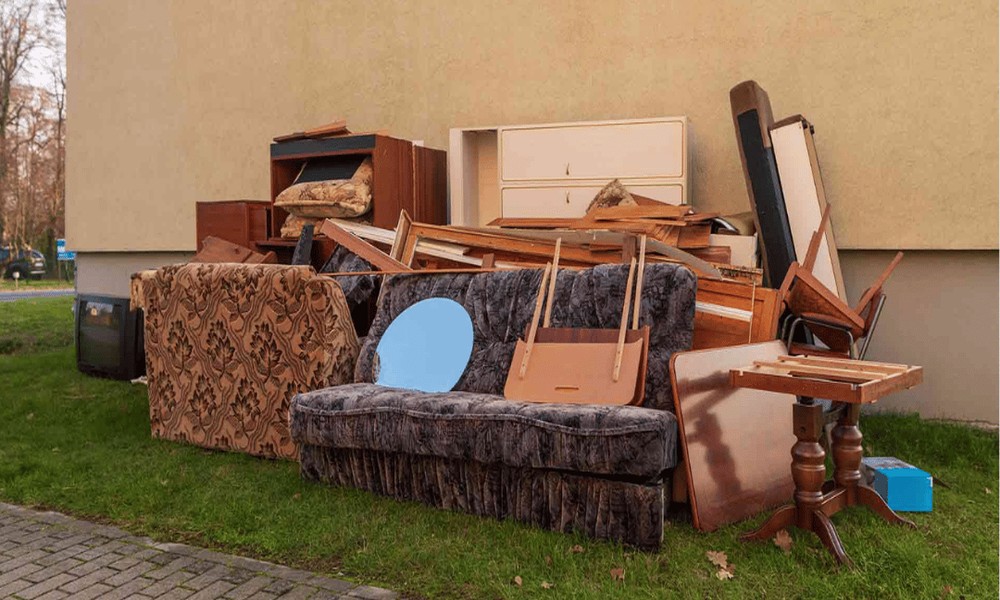
Waste removal Singapore services cover a wider range of situations than most people consider until they are standing in the middle of one. A family clearing out a deceased parent’s flat, a company downsizing its office, a homeowner managing the debris from three months of renovation work: each presents a distinct waste removal challenge with different volumes, item types, timelines and access conditions. Understanding which service fits your situation produces a faster, more cost-effective outcome.
Residential Waste Removal
For homes, waste removal needs arise most commonly at three points: when moving in, when moving out, and when undertaking a significant renovation or redecoration project.
Moving out of a residential property requires returning the space to lettable or saleable condition. This means clearing every item the occupant does not want to take and disposing of it properly. For a fully furnished flat vacated in a hurry, or an estate being cleared after a bereavement, the volume can fill multiple truck loads and include everything from clothing and books to kitchen appliances and bedroom furniture.
Post-renovation clearance handles the debris that contractors either cannot or do not include in their service. Plasterboard offcuts, ceramic tile waste, timber offcuts, packaging from new fixtures and fittings, and mixed construction materials need to go to a licensed disposal facility rather than the void deck bin room.
Singapore’s HDB estates and private condominiums have specific rules about what can be left in common areas for disposal. Items placed at void decks or loading bays without proper clearance arrangements can result in fines for the resident. A licensed waste removal Singapore service handles collection from inside the unit, eliminating the need to leave items in shared spaces at all.
Office and Commercial Waste Removal
Businesses generate distinct waste removal needs that residential services are not always equipped to handle. Office clearance involves furniture systems, workstation components, server hardware, filing cabinet contents, presentation equipment and commercial kitchen items in some cases.
The timing requirement for commercial waste removal is often more rigid than for residential work. A business vacating a commercial lease on a specific handover date needs the clearance completed by a fixed deadline, with no flexibility for delays. Professional commercial waste operators plan for this, arriving with sufficient manpower and vehicles to complete the job within the agreed window.
Data security is a consideration in office clearance that does not arise in residential work. Hard drives, portable storage devices and physical documents containing confidential information need to be handled through secure destruction channels rather than general waste. Ask any commercial waste operator about their data destruction capabilities before booking.
“We must leave this island cleaner and greener than we found it.” – Lee Kuan Yew, founding Prime Minister of Singapore.
Renovation Debris Removal
Renovation waste is among the heaviest and most awkward waste streams a private property generates. Concrete rubble, ceramic tiles, plaster, metal piping and timber are all dense, abrasive and difficult to handle without the right equipment and vehicle.
Construction waste in Singapore is regulated under the Environmental Public Health Act. It must be disposed of at a licensed landfill or construction debris processing facility. Standard household refuse trucks are not licensed for construction waste, and reputable renovation waste Singapore operators use appropriate licensed vehicles and facilities.
Renovation contractors in Singapore are supposed to include construction debris removal in their scope of work, but this is not always done thoroughly. Homeowners who find leftover debris after their contractor departs need a specialist service that can identify, segregate and dispose of construction materials properly.
Pricing Structure for Different Scenarios
Waste removal Singapore pricing varies substantially by scenario type. The key variables are volume, weight, the type of items, access difficulty and the disposal channel required.
A standard residential room clearance with furniture and general items typically costs between S$150 and S$400 depending on volume and access. Office clearances are priced by floor area covered and the number of workstations and storage units involved. Renovation debris is typically priced by weight or by load, with construction waste attracting a higher disposal cost than general household items due to the specialised facility requirement.
Request quotes from two or three operators before booking. Provide photographs if possible. The accuracy of the quote is directly related to the clarity of information you provide.
What to Prepare Before the Team Arrives
Separate items going for disposal from items being retained before the team arrives. Clearly mark or physically separate retained items to avoid confusion. For office clearances, brief the person in charge of access about which items are leaving and which are staying.
Confirm that lifts are available for bulky item removal in advance. HDB estates require advance booking of the service lift through the town council for moves and clearances involving furniture and appliances. Missing this step causes delays that may push the clearance into additional billable time.
Waste disposal Singapore services at their best are invisible: the team arrives, works efficiently, and leaves a cleared space with no loose ends or follow-up required.
Waste removal Singapore works best when the scope is defined clearly, the right service type is matched to the job, and the operator is properly licensed to handle every category of waste your situation generates.