

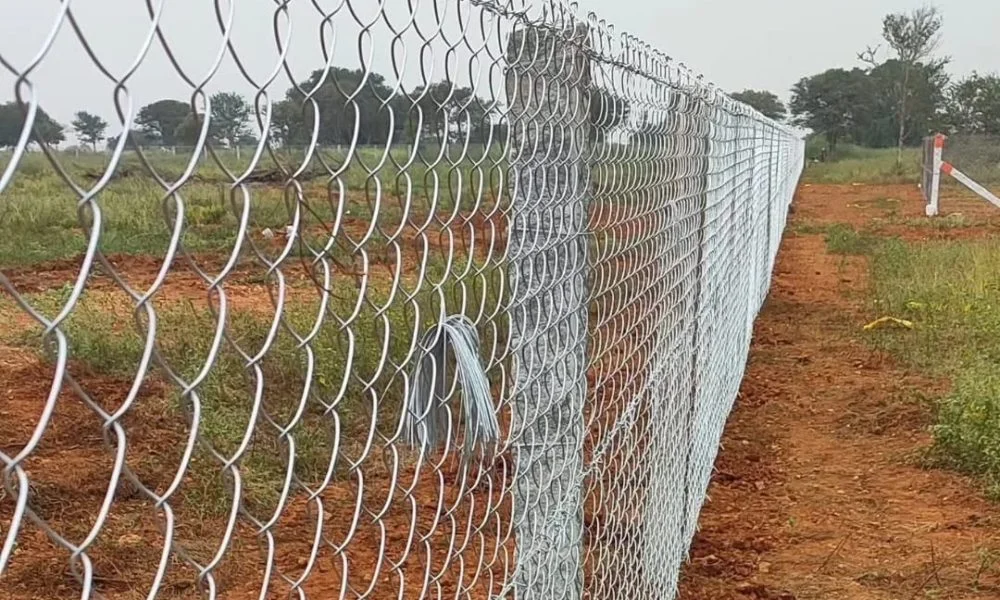
A few years ago, most fence call-outs in York followed a predictable pattern. Big winter storm rolls in, fences come down, phones light up. Simple enough.
Now it is different.
The last couple of summers have produced a strange cycle that many homeowners have not spotted yet. Long dry spells harden the ground, timber shrinks, posts loosen slightly, then heavy rain and sudden storms arrive and whole sections give way almost overnight.
I have lost count of the number of times I have turned up to a fence repair job recently and heard: “It looked absolutely fine last week.”
Usually, it did look fine. That is the problem.
Modern weather swings are exposing weak fencing faster than people expect. One week the garden is baked solid. The next week panels are acting like sails in wet, gusting wind. Fencing was always exposed to weather, but these sudden changes are creating different stresses now.
If you have searched for fencing contractors in York or fence repair near me after recent storms, there is a good chance the real damage actually started weeks earlier during the heat.
Dry ground creates movement most people never notice
Many homeowners think wet weather causes all fence problems. Not true.
Very dry ground can be just as damaging.
Large parts of York sit on clay-heavy soil. Clay expands when wet and contracts when dry. During long hot spells, the ground shrinks and hardens. Fence posts that felt solid in spring can develop tiny amounts of movement underground.
You usually do not notice it immediately. A fence may only shift a few millimetres. But that small movement changes how pressure travels through the panels and rails.
Then the weather changes.
Rain softens the already loosened ground. Wind pressure hits weakened fixings. Panels flex harder than normal. Posts start rocking slightly. Suddenly one bay gives way and drags the next section with it.
One thing I see often on local jobs is homeowners blaming the storm itself when the fence was actually failing slowly through summer.
The storm simply finished the job.
Heatwaves are brutal on timber fencing
Timber moves naturally. It always has.
During very hot weather, timber dries out and contracts. Cheaper panels tend to show it first. Boards warp. Gaps widen. Rails twist slightly. Feather edge boards can pull against fixings.
Then moisture returns quickly.
York’s recent weather patterns have been rough on fencing because conditions are changing too fast. Hot dry days followed by humid rain and gusting wind create constant expansion and contraction.
Older timber struggles most. Especially untreated or poorly maintained fencing.
This is where many searches for fencing companies near me or fencing contractor near me begin. People suddenly notice:
Panels bowing outward
Posts leaning slightly
Gates sticking
Rails splitting
Nails pushing loose
Concrete wobbling around posts
The frustrating part is that the damage often builds quietly for months before anything visibly collapses.
Fence panels fail differently in summer storms
Winter storms usually hit saturated ground with consistent pressure over longer periods.
Summer storms are different.
The wind tends to arrive suddenly. Gusts are sharper. Pressure changes quickly. Warm air movement creates odd turbulence around houses, extensions and garden structures.
Solid fence panels struggle with this. Large flat surfaces catch sudden wind pressure hard, especially in exposed gardens.
I have seen six-foot lap panel fencing completely flattened while older feather edge fencing nearby stayed standing because it allowed a bit more movement and airflow.
That surprises people.
The strongest-looking fence is not always the one that lasts longest.
New-build fencing is struggling badly
This has become more obvious around newer estates in and around York.
A lot of developer-installed fencing looks tidy at first glance but is built to hit cost targets, not longevity. Shallower posts, lighter rails and minimal concrete become obvious weaknesses after a couple of extreme weather cycles.
The problem gets worse because many new-build gardens sit on heavily compacted ground. Water drainage can be poor. During heatwaves the surface hardens like concrete, then softens unevenly after rain.
That movement plays havoc with fence posts.
I have worked on fencing near me call-outs around newer developments where fences less than three years old were already leaning badly.
Meanwhile, older fencing nearby on established gardens was still holding up fine because the posts were deeper and the timber heavier.
Experience still matters more than brochure photos.
Composite fencing reacts differently – but it is not indestructible
There has been a noticeable rise in people asking about composite fencing recently. A lot of homeowners are tired of yearly maintenance and assume composite solves every problem.
Not quite.
Composite fencing handles moisture better than timber because it will not rot in the same way, but expansion still matters. Hot weather causes movement in composite boards too. Poor installation becomes obvious during heatwaves.
Spacing matters.
Fixings matter.
Post stability matters.
Fencing composite fencing cost also catches some homeowners off guard because the system as a whole matters more than just the boards. Stronger framing, proper expansion allowances and decent groundwork are essential.
A badly installed composite fence can look terrible surprisingly quickly.
From years on site, I would still rather see a properly installed timber fence than a rushed composite job done without understanding movement and airflow.
Fence posts are still the weak point
Panels get blamed because they are visible. Most failures actually start at the posts.
Timber posts weaken fastest at ground level where moisture and oxygen meet. Concrete posts avoid rot but can still loosen if the footing is poor or drainage is bad.
Very hot summers followed by wet weather speed this process up.
Tiny cracks appear around concrete bases. Water enters. Ground shifts. Movement starts.
One thing many homeowners in York ask me is why one section of fence fails while the rest stays upright.
Usually it comes down to one weak post.
Once one post starts moving, pressure spreads through the adjoining panels. Wind loading changes. The next post takes more strain. Then the next.
That is why a single leaning section often becomes a much bigger repair job by autumn.
Gardens with no airflow suffer most
Modern gardens are becoming more enclosed.
Tall fencing, garden rooms, pergolas, artificial hedging and dense planting create privacy but also change wind behaviour. Air pressure funnels through tighter spaces now.
I have noticed this especially in smaller urban gardens around areas like Holgate and Heworth where side return extensions and tall boundaries create concentrated wind tunnels.
Homeowners sometimes assume a fully solid fence equals strength. Not always.
Allowing controlled airflow can actually reduce pressure during storms.
This is why some fencing contractors recommend hit and miss fencing or slatted designs in exposed gardens. Letting some wind pass through can massively reduce strain on posts and rails.
It sounds backwards until you see it working in practice.
The warning signs most people miss
The problem with fencing is that people rarely inspect it properly until something falls down.
A fence can be weakening for months before obvious failure appears.
Things worth checking after hot weather include:
Hairline movement around post bases
Gaps widening between boards
Rails pulling slightly from posts
Panels rattling more in wind
Concrete collars cracking
Gates catching intermittently
Timber splitting near fixings
Posts feeling loose under pressure
You do not need to be a fencing contractor to spot these things. Walk the boundary slowly. Push posts gently. Look at alignment from a distance.
Small movement early usually means cheaper repairs later.
Ignore it until storm season and costs climb fast.
Fence installation shortcuts are becoming more obvious now
Extreme weather exposes lazy installation.
I can usually tell within seconds whether a failed fence had proper groundwork. Shallow posts are still incredibly common. So is weak concrete mixing.
Some fencing contractors rush installation because homeowners understandably want lower prices. But there is no shortcut around decent foundations.
For standard domestic fence installation, I still prefer strong post depth and proper footing sizes over fancy panel upgrades.
You can install expensive panels on weak posts and the fence will still fail.
Good fencing starts underground.
That part is invisible once the job is finished, which is why some installers cut corners there first.
Summer maintenance now matters more than winter maintenance
This has changed over the last few years.
Traditionally most fence maintenance happened after winter storms. Now I think summer checks are equally important.
Heatwaves create the early-stage movement that later becomes autumn failure.
A few sensible jobs during summer can extend fence life massively:
Clear soil away from gravel boards
Trim heavy climbing plants
Check post movement
Tighten loose fixings
Remove trapped debris
Re-treat exposed timber
Watch for cracking around concrete
Inspect gates properly
It is not glamorous work. But neither is rebuilding multiple fence bays after the first September storm.
Heavy planting can quietly destroy fencing
I like mature gardens. Most fencing contractors do.
But some planting creates constant problems.
Wet ivy against timber is one of the worst offenders. It traps moisture, adds weight and catches wind. During summer it can look harmless because everything feels dry. Then heavy rain arrives and the extra load becomes obvious.
Large shrubs pressing against panels also create pressure points. So do raised flower beds built directly against fencing.
One thing I see often on local jobs is fences acting as retaining walls without being designed for it.
That never ends well.
If soil levels are higher on one side, pressure builds constantly after rain. Posts weaken faster. Gravel boards bow. Panels twist.
A fence boundary is not designed to hold back tonnes of wet soil unless specifically engineered to do it.
The repair-or-replace question gets harder after heat damage
Summer weather creates awkward repair decisions because damage is often spread across multiple areas.
A fence may still look mostly upright while several posts have already weakened underground.
This is where experienced fencing services matter. Not every damaged fence needs replacing, but not every fence is worth repeatedly patching either.
Good repair candidates usually have:
Solid main posts
Straight alignment
Healthy rails
Localised damage only
Strong panel structure
Poor replacement candidates often show:
Multiple moving posts
Extensive timber splitting
Widespread warping
Rot across several bays
Loose concrete footings
Repeated previous repairs
The frustrating part for homeowners is that fences often fail in stages. One repair turns into another six months later.
Sometimes replacing the worst section properly saves money long-term.
York weather patterns are changing how fencing should be built
This is the bigger point many people are missing.
Fencing methods that survived mild, predictable seasons are being tested harder now.
More intense rainfall.
Longer dry spells.
Sudden storms.
Stronger gusts.
Faster seasonal swings.
All of this changes how fencing performs.
I suspect we will continue seeing stronger demand for:
Deeper post installations
Better drainage planning
Composite systems
Stronger rail fixings
Concrete or steel post options
Wind-resistant designs
Lower-maintenance materials
Not because trends are changing, but because the weather is changing.
The cheapest quote usually becomes obvious after one bad season
This sounds harsh, but it is true.
Most cheap fencing work looks acceptable for the first few months. The real test comes later.
After one summer heatwave and one rough autumn, weaknesses appear quickly:
Loose posts
Warped panels
Leaning bays
Poor alignment
Splitting rails
Movement around concrete
This is why searching for fencers near me or fence company near me should involve more than comparing prices.
Ask questions.
How deep are the posts?
What timber treatment is used?
How will drainage affect the installation?
What happens in exposed gardens?
What fixings are included?
A decent fencing contractor will answer clearly without trying to dodge specifics.
Gates usually fail first after extreme weather
Garden gates take more punishment than fence panels because they constantly move.
Heat causes swelling and contraction. Posts shift slightly. Hinges loosen. Alignment changes.
Then wet weather arrives and suddenly gates start scraping, catching or dropping.
Many homeowners assume the gate itself has failed. Usually it is the supporting post moving underground.
A properly installed gate post should feel absolutely solid. Any movement at all usually gets worse quickly.
That is especially true for heavier driveway gates and tall side access gates exposed to wind.
The next few years will probably get tougher on fencing
I do not think recent summers are a one-off.
Every fencing contractor I know has noticed the same thing. Weather swings are becoming harder on outdoor structures generally.
Roofs, decking, paving, timber cladding and fencing are all taking bigger seasonal punishment now.
Which means fence installation standards probably need to rise too.
Better groundwork.
Better drainage awareness.
Smarter material choices.
Stronger fixings.
More realistic maintenance expectations.
The fences lasting longest right now are not always the most expensive ones. They are the ones installed properly for the conditions they actually face.
That part still matters more than trends, brochures or whatever style suddenly becomes fashionable online.