

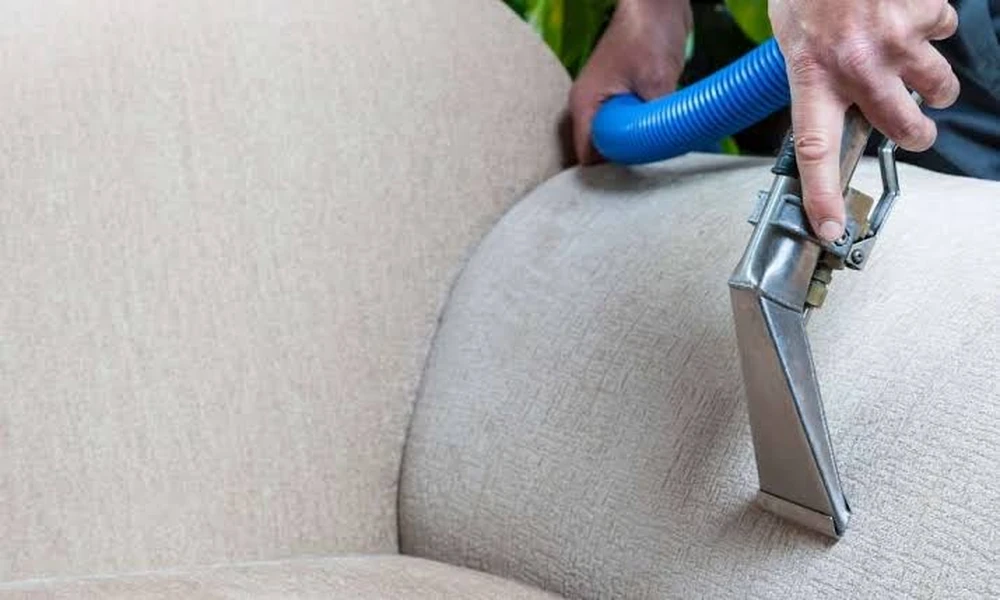
Cotton, linen, microfibre, wool blends, and velvet need cleaning most often among household fabrics. Each traps dirt, oils, and allergens at rates that leather and synthetics resist. Fibre structure decides the cleaning frequency more than furniture age does. Woven natural fabrics hold particles deep inside their threads. Skin oils bind dust onto armrests and seat cushions daily. Households with children or pets push every interval shorter again.
Fabric guides published through brisbaneupholsterycleaning.com.au sort common materials by their soiling speed. Cotton and linen top the list because loose weaves absorb spills instantly. Microfibre follows, holding body oils across every contact surface. Velvet traps dust inside its pile faster than flat weaves. Wool blends resist stains longer while still collecting allergens steadily. Reading a fabric tag answers half the frequency question already.
Cotton and linen soil the fastest
- Cotton and linen absorb liquids within seconds of contact. Open weaves pull spills past the surface into the cushion beneath. Dried spills then hold dust and darken traffic areas visibly. Family sofas in these fabrics show wear lines within months. Cleaning every six months keeps absorption from becoming permanent shadowing. Annual cleaning suits the same fabrics in low-use rooms.
- Loose fibres also shed and mat under regular friction. Matting traps soil deeper than vacuuming reaches on its own. Professional extraction lifts embedded particles from the full weave depth. Colour brightness returns because trapped dust dulls dyes gradually. Slipcovers in these fabrics accept machine washing between professional visits. Fixed upholstery needs the full extraction method for the same result. Households often notice the original shade only after cleaning finishes.
Microfibre holds body oils
Microfibre collects skin and hair oils across every seating position. Dense synthetic fibres grip oils that ordinary wiping spreads further. Oil patches darken armrests, headrests, and seat fronts first. Dust then sticks onto oily zones faster than onto clean fabric. Oil binding explains why microfibre looks patchy rather than evenly dirty. Television seating positions show the pattern most clearly at home.
Heat and detergent extraction release bound oils from the fibre surface. Correct methods restore the even texture microfibre carries when new. Wrong household products push oils deeper and leave water rings. Ring marks then need professional correction beyond the original soiling. Six to twelve-month intervals suit most microfibre lounges. Pet households sit at the shorter end of that range.
Velvet and wool trap allergens
- Velvet pile and wool crimp both hold dust mites, dander, and pollen. Particles settle between upright fibres where surface vacuuming misses them. Allergy-sensitive households feel this buildup as worsening indoor symptoms. Symptoms often ease noticeably within days of deep cleaning. Mattresses and padded headboards in these fabrics carry identical loads. Deep cleaning removes allergen reservoirs that daily care never touches.
- Wool needs to be measured for moisture and temperature during any cleaning pass. Excess water shrinks and distorts wool blends permanently. Velvet needs pile-direction work so the surface dries evenly. Flattened velvet pile also lifts back under correct finishing strokes. Both fabrics reward professional handling with years of extra service. Cleaning schedules for these materials suit two visits yearly in busy homes.
Fast-soiling weaves, oil-binding synthetics, and allergen-trapping piles fill the most-frequent list together. Fabric type sets the base interval, and household conditions adjust it. Pets, children, and daily use all shorten whatever the fabric allows. Checking each furniture piece against its tag answers the frequency question directly. Furniture cleaned on fabric-matched schedules stays presentable and hygienic between every visit.